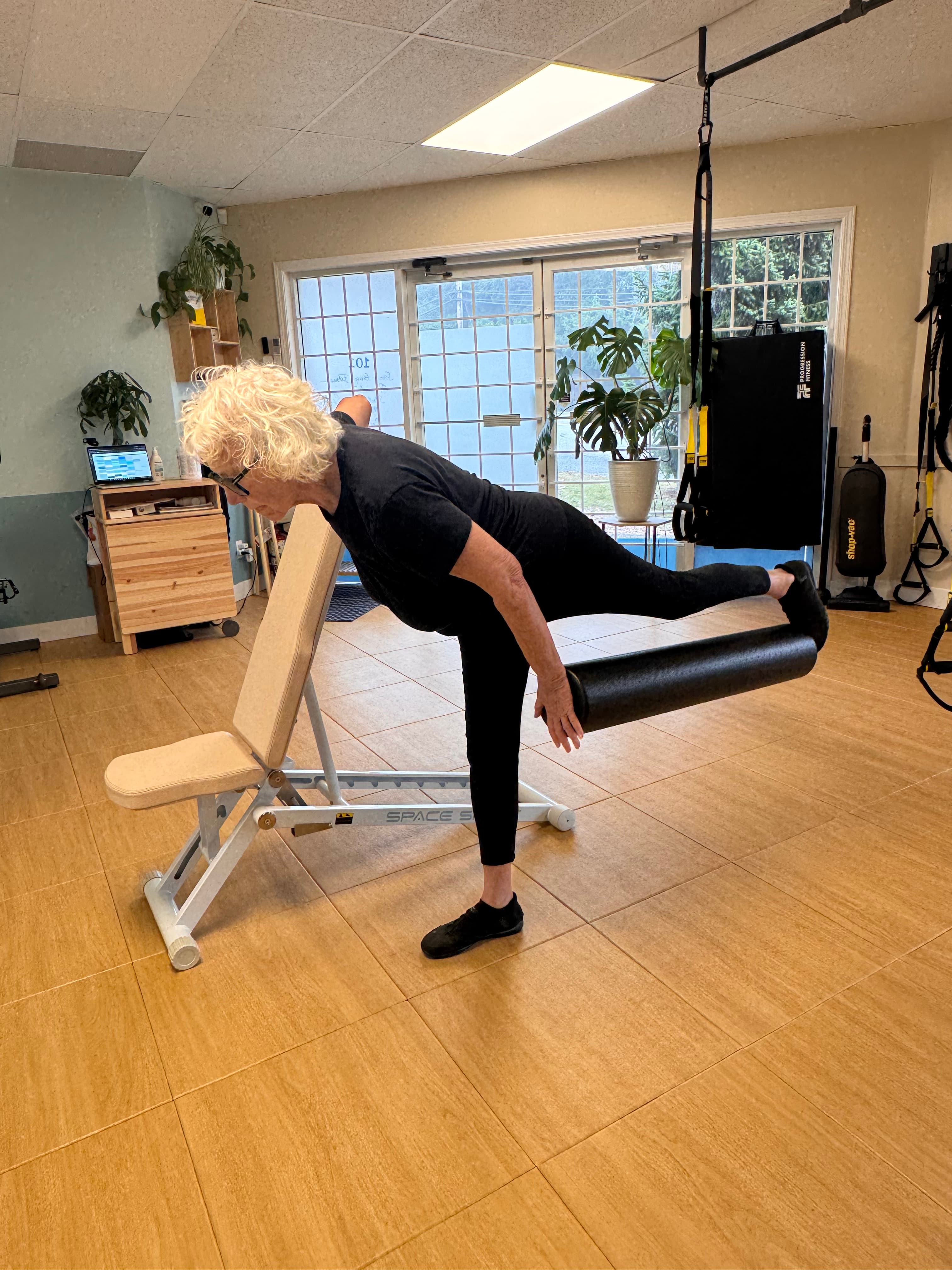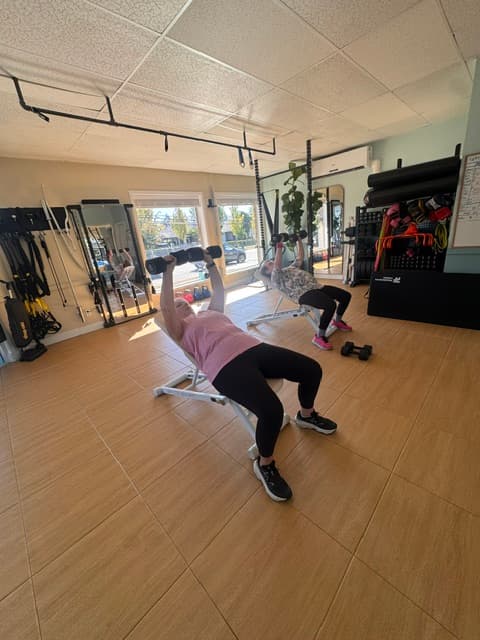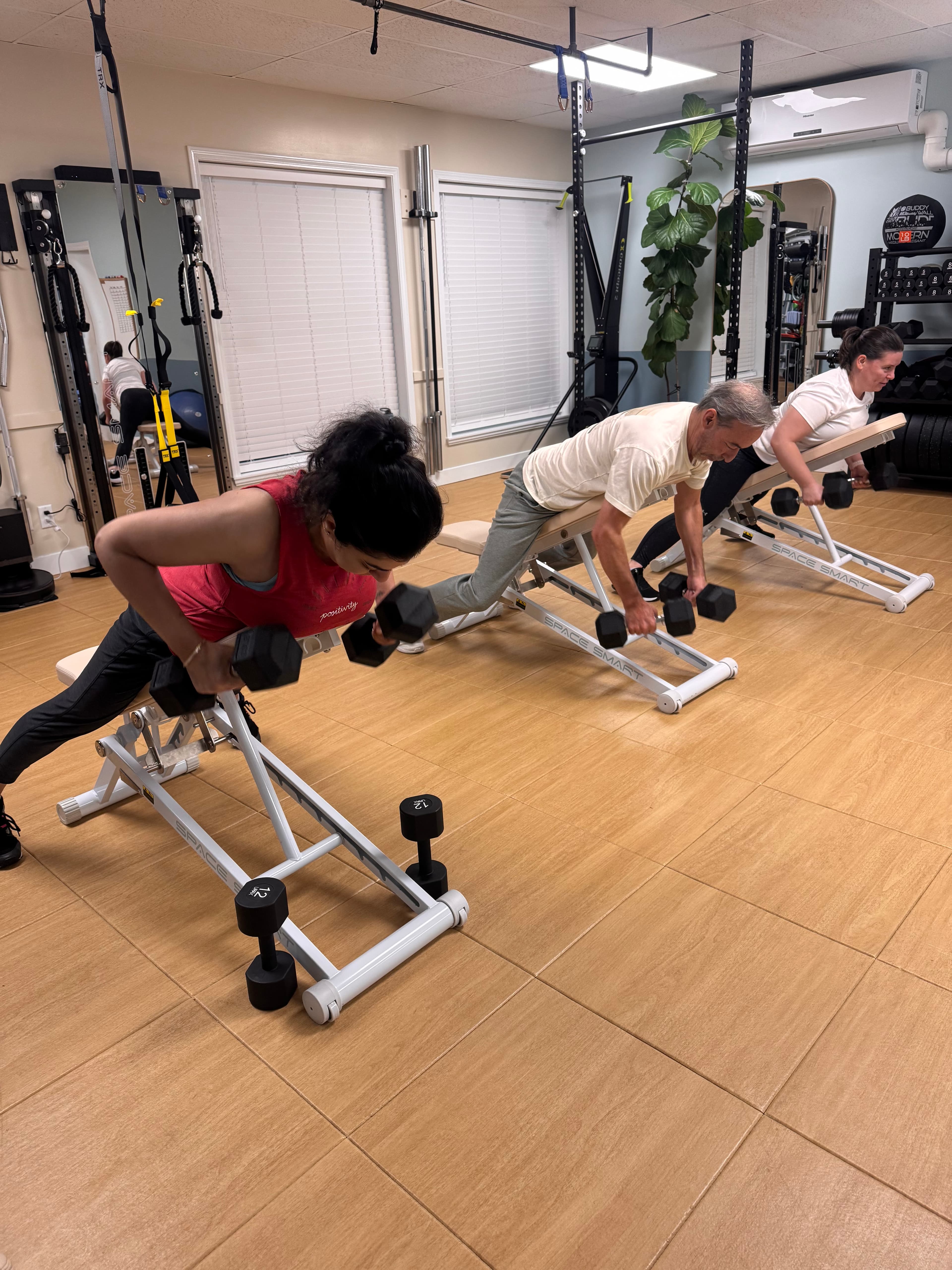
Effective balance exercises for seniors include standing on one foot, performing heel-to-toe walks, and practicing sit-to-stand movements to strengthen the lower body. Incorporating these activities into a routine at least three times per week can reduce the risk of falls by up to 40 percent; additionally, low-impact practices like Tai chi further improve stability and gait.
As we age, a sudden loss of confidence during a simple afternoon walk can feel like a direct threat to your personal independence. The fear of falling is not merely an emotional concern; it is a physiological reality often tied to declining muscle mass and diminished proprioception. At Bluewave Fitness, we recognize that true stability requires more than just standing on one leg. It demands a sophisticated integration of functional strength and neurological coordination. In this guide, you will discover the essential connection between resistance training and postural control. We will explore ten targeted balance exercises, the critical role of dynamic movement for navigating daily life, and the strategic 5 Ps for fall prevention at home. By shifting from passive caution to proactive strength, you can reclaim your mobility and move through your community with renewed certainty.
Why Balance and Strength Training are Inseparable for Healthy Aging
Balance is frequently discussed as a matter of inner ear health or coordination; however, for most older adults, the foundation of stability is rooted in the muscular system. While the vestibular system plays a role, the primary cause of instability in seniors is often sarcopenia, the age-related loss of muscle mass and quality. When the muscles responsible for supporting the skeleton weaken, the body loses its ability to react quickly to changes in terrain or shifts in center of gravity.
At Bluewave Fitness in White Rock, we focus on identifying the physiological "why" behind the wobble. A lack of stability is rarely just a fluke; it is usually the result of specific weaknesses in the glutes, ankles, and core. For instance, weak gluteal muscles prevent the hips from staying level during a stride, while reduced ankle strength makes it difficult to navigate the slopes of South Surrey. By prioritizing osteoporosis strength training and functional movements, we address these root causes rather than just the symptoms.
The data supports this strength-first approach to stability. According to IRT research, engaging in targeted strength and balance training at least three days per week can reduce the risk of falls by up to 40 percent. This is why we emphasize personalized one-on-one coaching to ensure that every movement targets the specific muscle groups needed for reactive stability. True fall prevention is not just about standing still; it is about building the muscular power required to catch yourself if you stumble.
Top 10 Balance Exercises for Seniors to Improve Stability
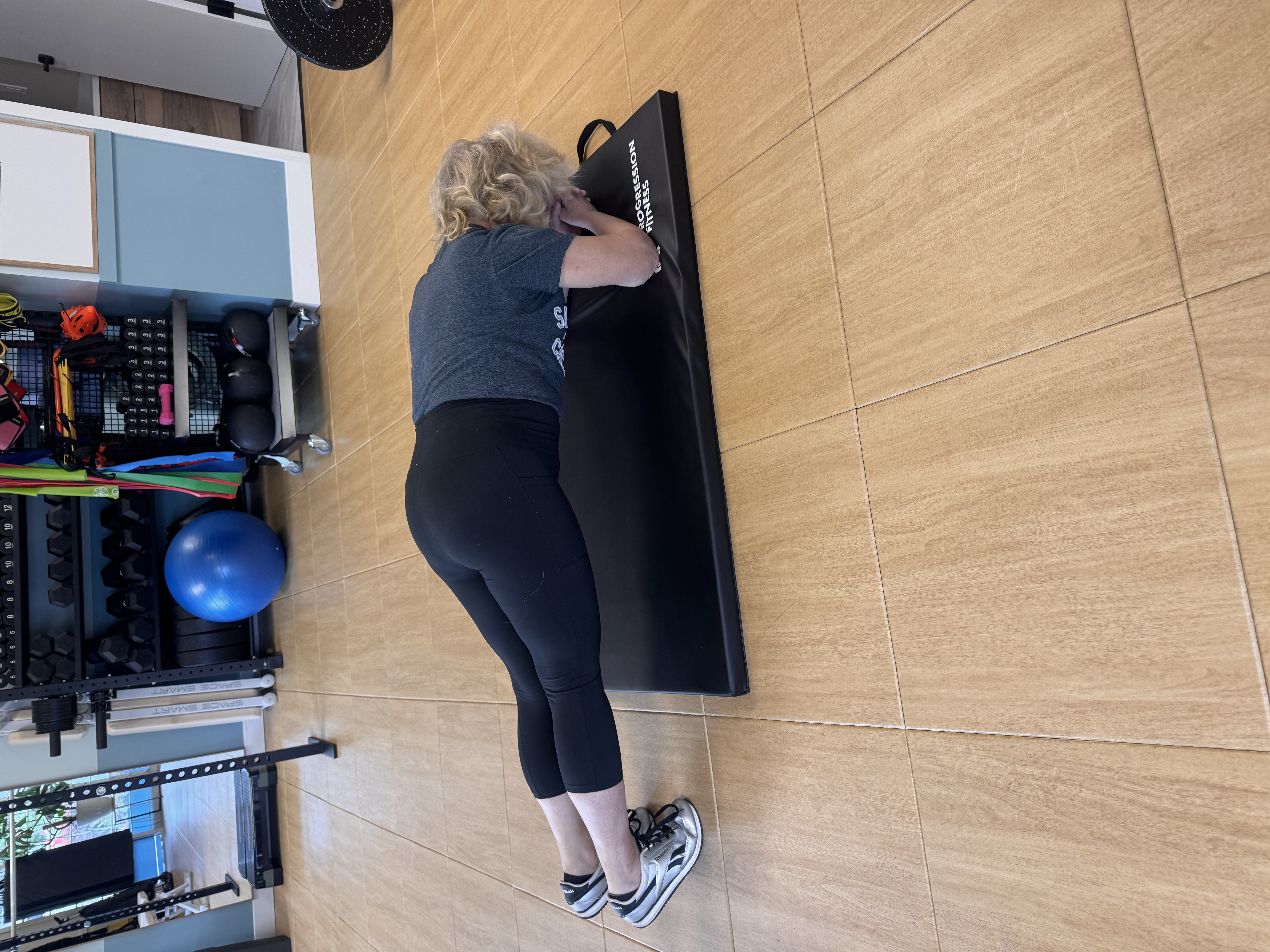
Transitioning from theory to practice requires a structured approach that incorporates both static and dynamic movements. To achieve the 40 percent reduction in fall risk noted in IRT research, these movements should be performed at least three times per week. At Bluewave Fitness, we integrate these balance exercises for seniors into our senior fitness classes to ensure each movement is performed with proper form and safety.
Single-leg stance: Stand behind a sturdy chair for support and lift one foot, holding the position for 30 seconds. Senior Benefit: This builds the foundational stability required for navigating narrow aisles at the Semiahmoo Shopping Centre.
Heel to toe walk (Tightrope walk): Place the heel of one foot directly in front of the toes of the other as you walk in a straight line. Senior Benefit: This dynamic movement mimics the precise footwork needed to walk safely along the White Rock Promenade.
Sit to stands: Slowly lower yourself into a chair, focusing on the eccentric (lowering) phase, then stand back up without using your arms. Senior Benefit: Strengthening the quads and glutes ensures you can exit low chairs at local White Rock cafes with grace and independence.
Calf raises: Rise onto the balls of your feet while holding a counter, then slowly lower. Senior Benefit: Stronger ankles provide the power needed to step over curbs or uneven pavement in South Surrey.
Standing marches: Lift your knees toward your chest in an alternating pattern while maintaining a tall posture. Senior Benefit: Improving hip flexor strength helps you clear obstacles like garden hoses or rugs in your home.
Side leg raises: Lift one leg out to the side while keeping your toes pointed forward. Senior Benefit: This targets the gluteus medius, which is essential for stabilizing the pelvis and preventing a fall if you are bumped from the side.
Foot taps: Place a small object or a step in front of you and lightly tap it with your toes, alternating feet. Senior Benefit: This improves coordination and reaction time, helping you adjust your footing quickly while walking a dog.
Head rotations: While standing still, slowly turn your head from left to right and then up and down. Senior Benefit: This challenges the vestibular system, training you to look both ways before crossing Marine Drive without losing your balance.
Back leg raises: Lift one leg straight back without arching your lower back. Senior Benefit: Strengthening the posterior chain supports better posture while standing in long checkout lines.
Reach and touch: While standing, reach one arm forward or to the side as if reaching for an object, shifting your weight slightly. Senior Benefit: This prepares the body for real-world tasks like reaching for items on high pantry shelves or in the back of a cupboard.
The Importance of Dynamic Balance: Moving Safely in White Rock
Static balance is the ability to hold a position without wobbling, but it is only the foundation. In daily life, most falls occur during movement. Dynamic balance is what allows you to maintain control while your center of gravity is shifting. Practicing balance exercises for seniors on a perfectly level gym floor is a safe starting point, but it does not fully prepare the body for the physical realities of our community.
In White Rock, residents frequently encounter uneven wooden planks on the Pier, slippery seaside paths, and the demanding gradients of South Surrey. Our senior fitness classes bridge the gap between studio safety and real world terrain. We emphasize reactive balance, which is the body's subconscious ability to recover after a sudden disturbance, such as a trip on a curb or a gentle nudge in a crowded cafe.
Research from Mangiarelli Rehabilitation indicates that progressive balance programs can reduce fall risk by 23 percent. Through personalized one-on-one coaching, we move beyond static poses to include drills that mimic these unpredictable environments. By training the nervous system to react quickly to slips or shifts, we provide the confidence needed to enjoy a stroll along Marine Drive without the constant fear of a stumble.
Functional Strength Training: The Foundation of Fall Prevention
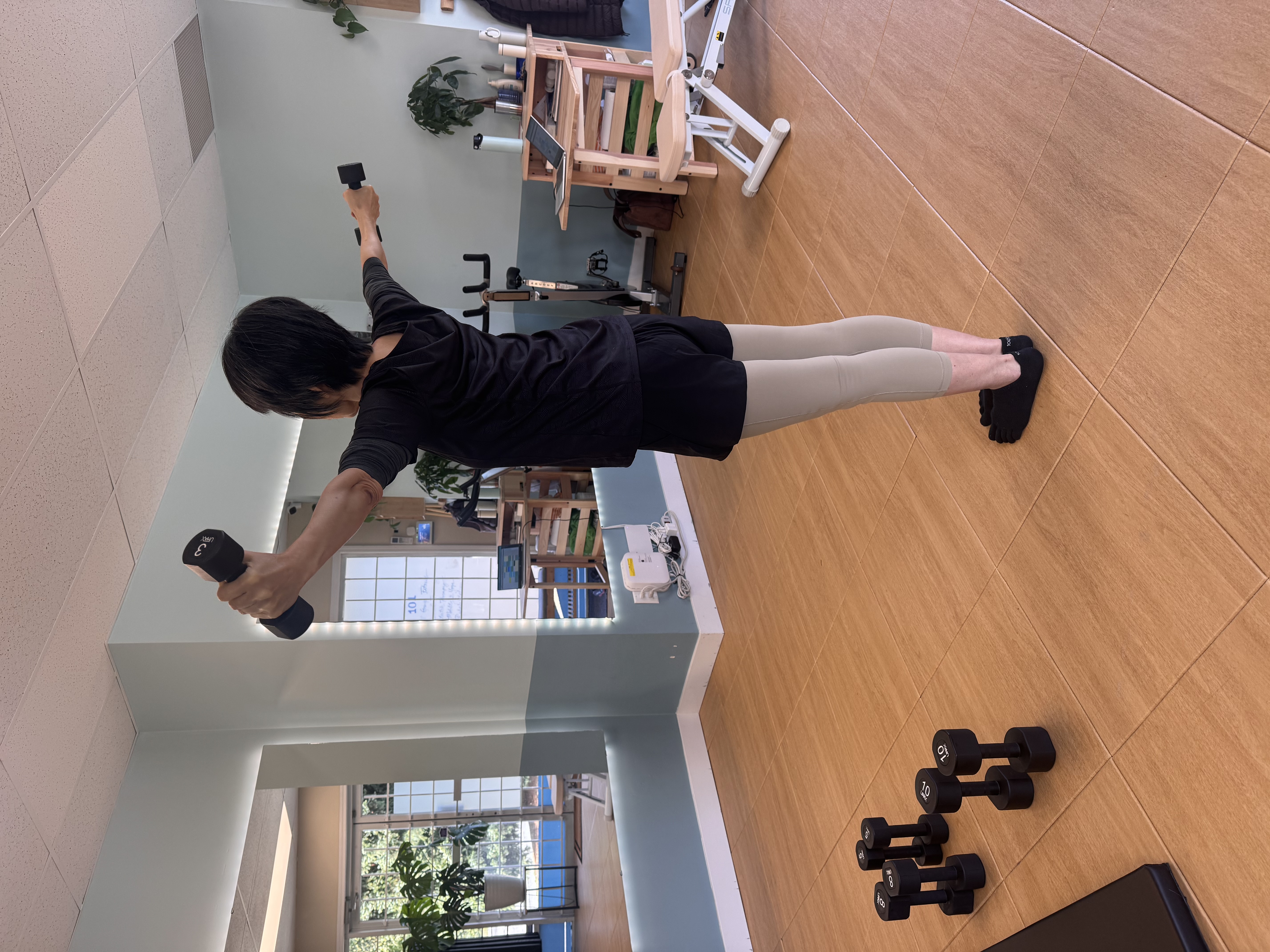
Developing reactive balance is only possible when the body possesses the underlying force to move quickly. To understand how to prevent an elderly person from falling, research consistently points to leg strength as the most effective preventative measure. At Bluewave Fitness, our functional training focuses on the posterior chain, specifically the glutes and hamstrings, which serve as the body’s primary stabilizers and brakes.
We utilize resistance bands to improve lateral hip stability and light dumbbells to build the power necessary to catch your own body weight during a stumble. While balance exercises for seniors provide the movement pattern, strength provides the execution. For those managing bone density concerns, osteoporosis strength training serves a dual purpose: protecting the skeletal structure while building the muscular armor needed to stay upright.
The core acts as the bridge in this equation. Through personalized one-on-one coaching, we train the deep abdominal muscles to maintain trunk rigidity during movement. This ensures that if a foot slips on a wet leaf in a South Surrey driveway, the upper body remains aligned over the hips. By prioritizing these specific muscle groups, we transform the body from a passive weight into an active, responsive system capable of self-correction.
The 5 Ps of Falls Prevention for Seniors at Home
Creating a safe environment at home is as critical as building strength in the studio. To provide a comprehensive framework for safety, we utilize the "5 Ps" approach to fall prevention. Each category represents a specific pillar of stability that must be addressed to minimize risk.
Personal: This refers to your internal health markers, including vision quality and muscular capacity. Regular check-ups ensure your physiological foundation is sound.
Psychological: A persistent fear of falling often leads to reduced activity, which accelerates muscle loss. Building confidence through successful movement is essential for maintaining independence.
Physical Environment: White Rock homes, ranging from hillside condos to classic bungalows, often contain subtle hazards. Secure all loose area rugs with non-slip backing and improve lighting in transitional spaces like hallways or stairwells.
Pharmacological: Many common medications can cause side effects like dizziness or sudden drops in blood pressure. Periodically review your prescriptions with a healthcare provider to understand their impact on your coordination.
Proactive: Consistency remains the most effective tool for prevention. Engaging in senior fitness classes or osteoporosis strength training at least three days per week provides the necessary stimulus to stay stable.
By taking a proactive approach through personalized one-on-one coaching, you address the variables you can control, significantly lowering the statistical likelihood of a fall. This structure moves fall prevention beyond the gym floor and into the daily habits that protect your quality of life in the community.
Why Supervised Training Trumps at Home Balance Exercises
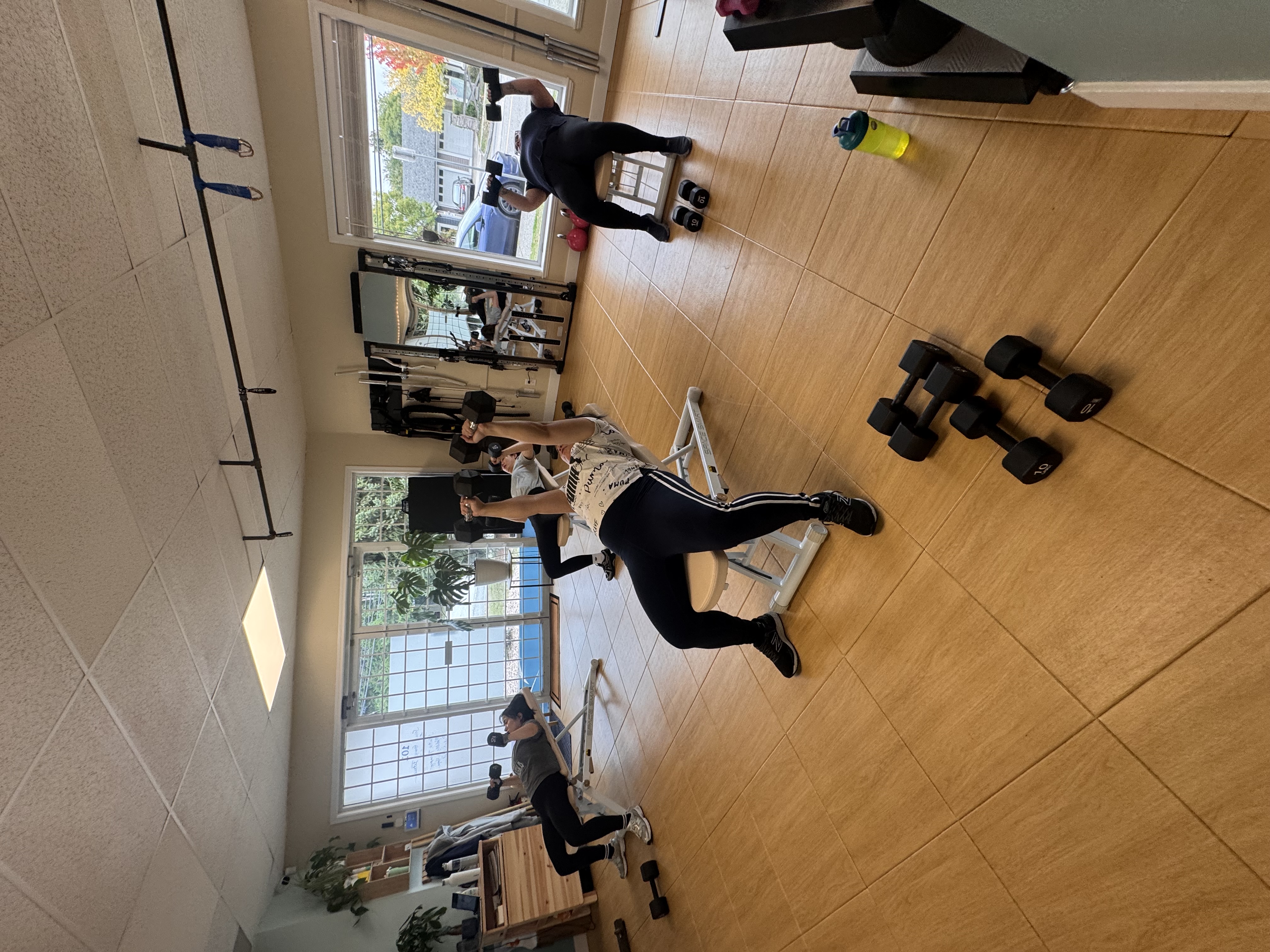
While incorporating balance exercises for seniors into a daily routine at home is a positive step toward longevity, practicing these movements in isolation carries inherent risks. The paradox of balance training is that to improve, you must safely challenge your center of gravity. At home, losing your footing while performing a single-leg stance or a heel-to-toe walk can lead to the very injuries you are trying to prevent. Research from Mangiarelli Rehabilitation underscores that balance programs are most effective when they are progressive and supervised, as professional oversight ensures the difficulty level matches your current capacity without exceeding it.
Personalized one-on-one coaching provides a safety net that is impossible to replicate in a living room. At Bluewave Fitness, we utilize specialized equipment such as balance sticks, which offer tactical support during dynamic drills without the instability of household furniture. Our boutique studio environment is designed specifically for the needs of older adults, featuring flooring with optimal grip and a layout that eliminates common trip hazards. Additionally, supervised senior fitness classes allow for real-time adjustments to your posture and gait. This expert guidance is particularly vital during osteoporosis strength training, where maintaining precise spinal alignment is necessary to protect bone health. Training in a controlled, professional space replaces the anxiety of a potential fall with the confidence of supported, evidence-based progress.