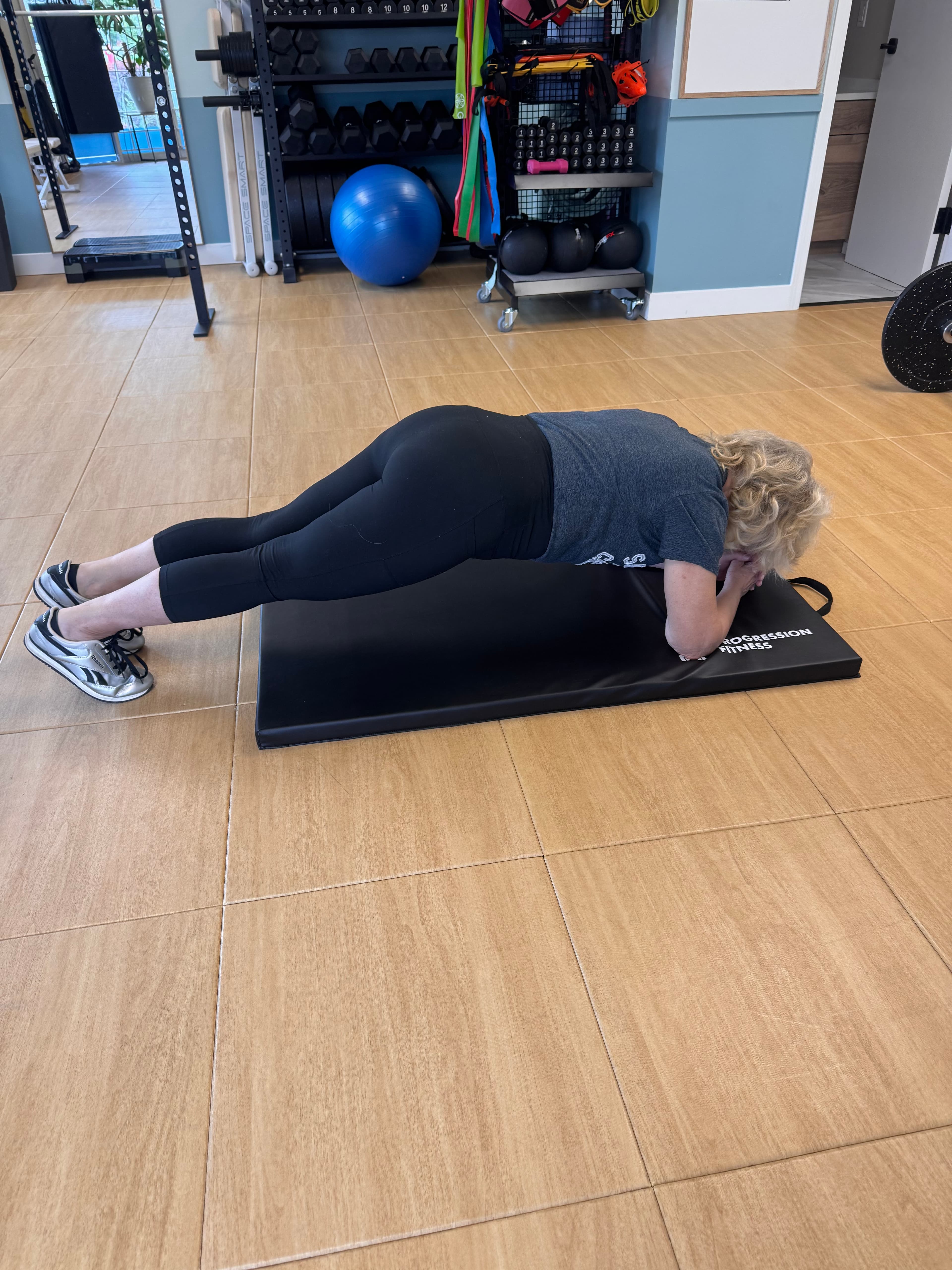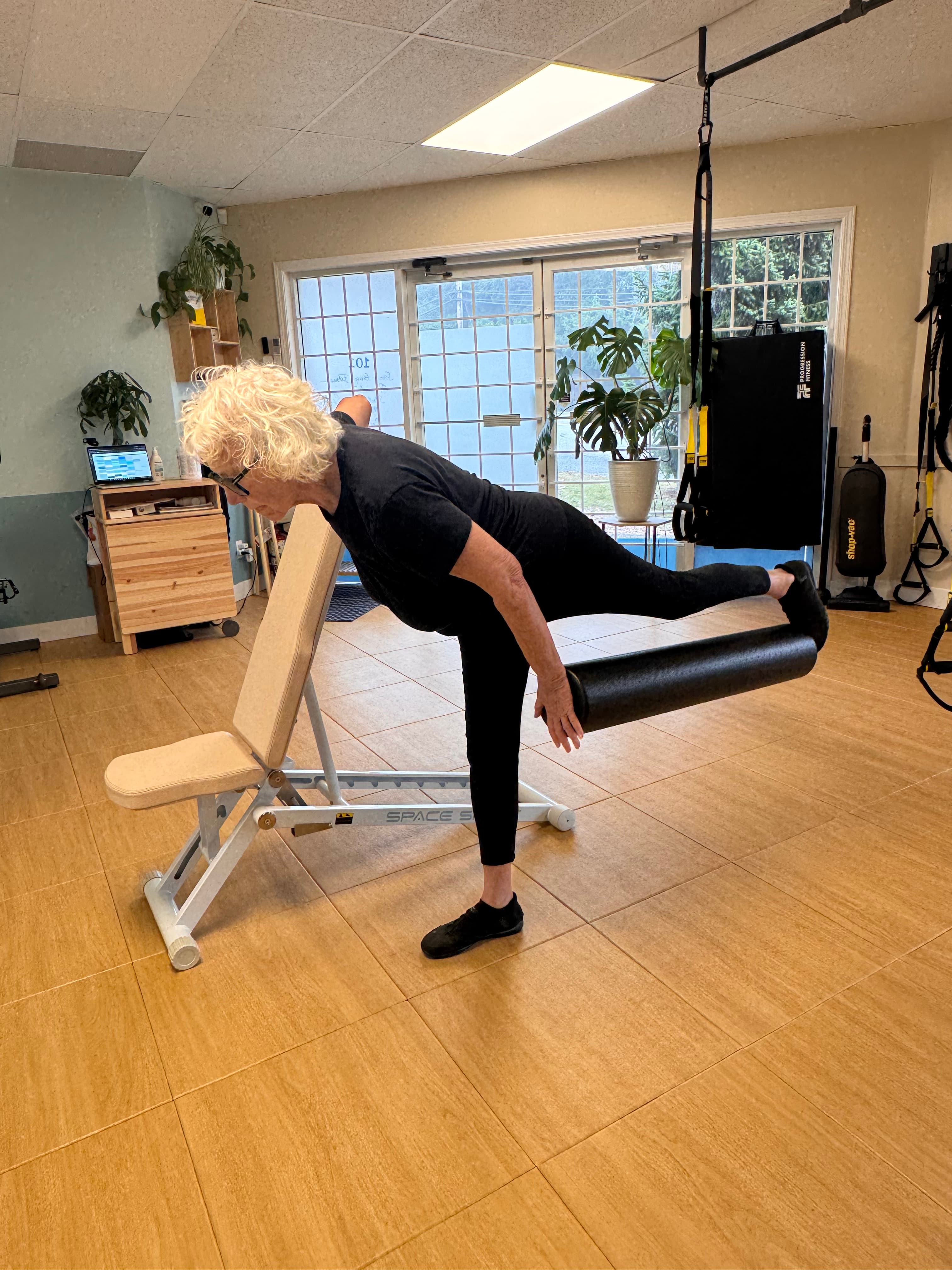
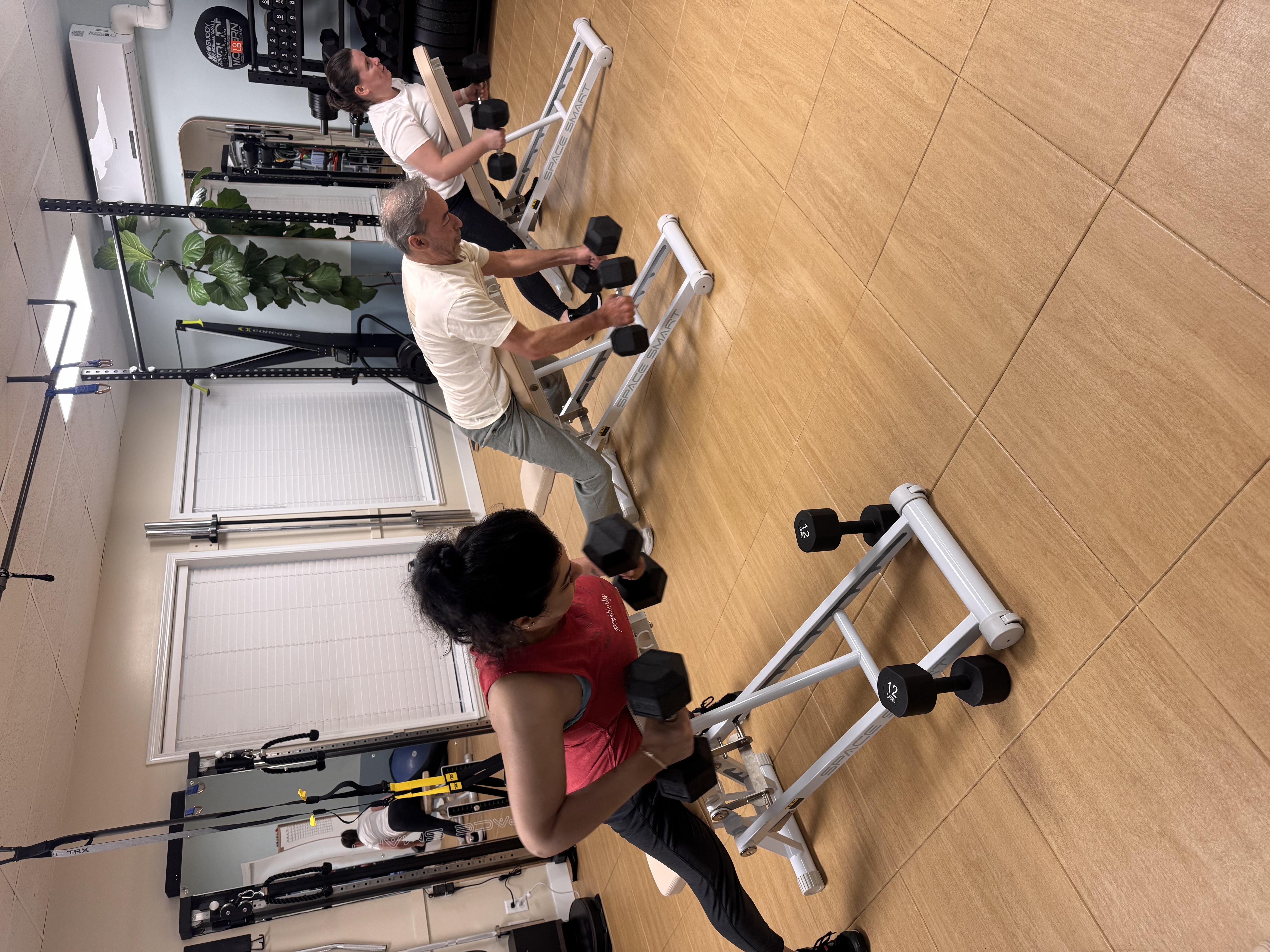
Strength training serves as a critical heart healthy exercise for seniors by building lean muscle mass that improves blood sugar regulation and overall blood vessel function. Adding resistance work can lower the risk of cardiovascular disease by 17 percent, providing a necessary supplement to traditional cardio for long term wellness.
Many seniors in White Rock dutifully walk every morning, yet they often find themselves still struggling with stubborn hypertension or a lingering sense of physical frailty. You might believe that light aerobic activity is the only safe way to protect your aging heart, but focusing solely on traditional cardio leaves a critical component of cardiovascular wellness untouched. Building lean muscle is not merely about aesthetics; it is a clinical necessity for reducing cardiac strain and enhancing vascular elasticity. In this guide, we will examine why resistance training is the essential partner to your morning walk. You will learn how controlled strength work safely lowers blood pressure, how to balance weights with aerobic exercise for maximum synergy, and how to implement the 3-3-3 rule to meet modern health guidelines with confidence.
The Evolution of Heart Healthy Exercise for Seniors
For a long time, the prevailing wisdom for retirees in White Rock was that cardiovascular health was achieved solely through aerobic activity. The common perspective suggested that walking or swimming was for the heart, while lifting weights was strictly for the muscles. This narrow focus often meant that seniors neglected the vital role that resistance training plays in maintaining a resilient circulatory system.
Modern clinical consensus has shifted significantly. We now recognize that heart healthy exercise for seniors is not a choice between the treadmill and the weight rack, but rather a strategic integration of both. Muscle tissue functions as a metabolic engine; by increasing lean mass, you effectively reduce the resistance the heart must overcome to circulate blood. A truly heart healthy routine in the modern context goes beyond a daily stroll along Semiahmoo Bay. It requires focused, small-group functional training that challenges the body to adapt to resistance.
At Bluewave Fitness, we provide evidence-based programs that treat strength and cardiovascular wellness as two sides of the same coin. By blending personalized one-on-one coaching with resistance protocols, we help the local retiree community move beyond dated fitness myths. Strengthening the muscular system is often the most direct way to support the cardiovascular system, ensuring the heart does not have to work harder than necessary during daily life.
How Resistance Training Lowers Blood Pressure and Reduces Cardiac Strain
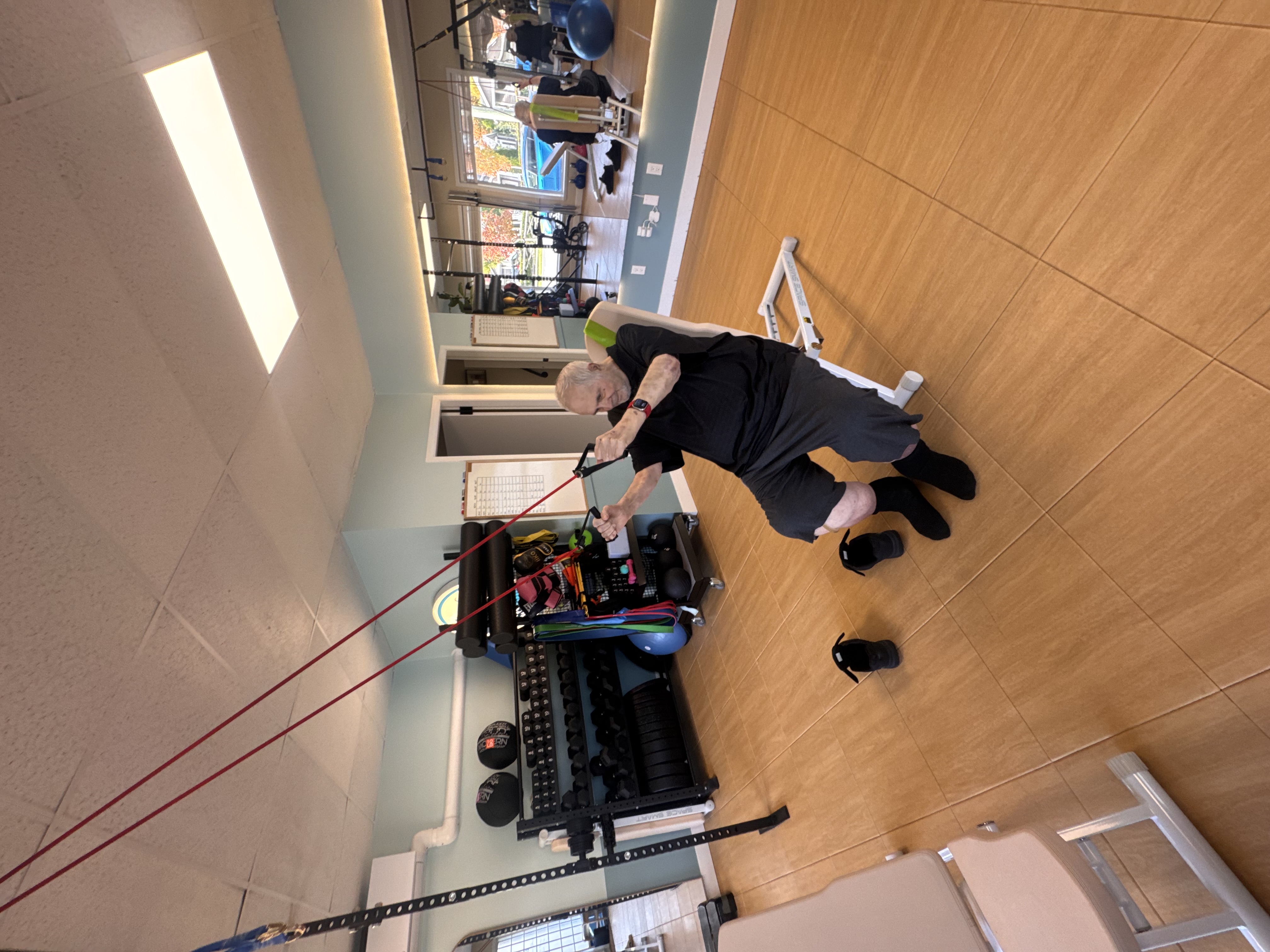
The relationship between muscle mass and cardiac strain is grounded in the physics of blood flow. When you increase lean muscle through small-group functional training, you are essentially upgrading the body's mechanical efficiency. Stronger skeletal muscles are more proficient at extracting oxygen from the bloodstream, which means the heart does not need to pump as vigorously to meet the body's demands during movement. This reduction in peripheral resistance is a primary driver in lowering resting blood pressure. Research indicates that consistent resistance training can reduce the overall risk of cardiovascular disease, including stroke and heart attack, by approximately 17 percent.
When muscles are weak, the heart must work harder to push blood through the systemic circulation, especially during physical tasks. By building strength, you decrease the demand placed on the heart during everyday activities like carrying groceries or walking up a flight of stairs. This lower workload translates to less wear and tear on the cardiac muscle over time, providing a buffer against the natural decline in cardiovascular capacity that often accompanies aging.
Furthermore, strength training offers a unique metabolic advantage known as the afterburn effect. Because muscle tissue is metabolically active, it requires more energy to maintain than fat tissue, even while you are resting. This elevated metabolic rate helps manage body weight and regulates blood sugar levels, two critical markers for long term cardiovascular health. Our evidence-based programs focus on these physiological adaptations to ensure that every session contributes to a more resilient circulatory system.
By improving insulin sensitivity and reducing the systemic inflammation that can lead to arterial plaque, resistance training, especially when guided by personalized one-on-one coaching, serves as a powerful tool for heart health. This metabolic efficiency ensures the heart remains supported by a healthy, high functioning body, allowing for greater independence and vitality in the years ahead.
Strength Training vs Cardio: Understanding the Synergy
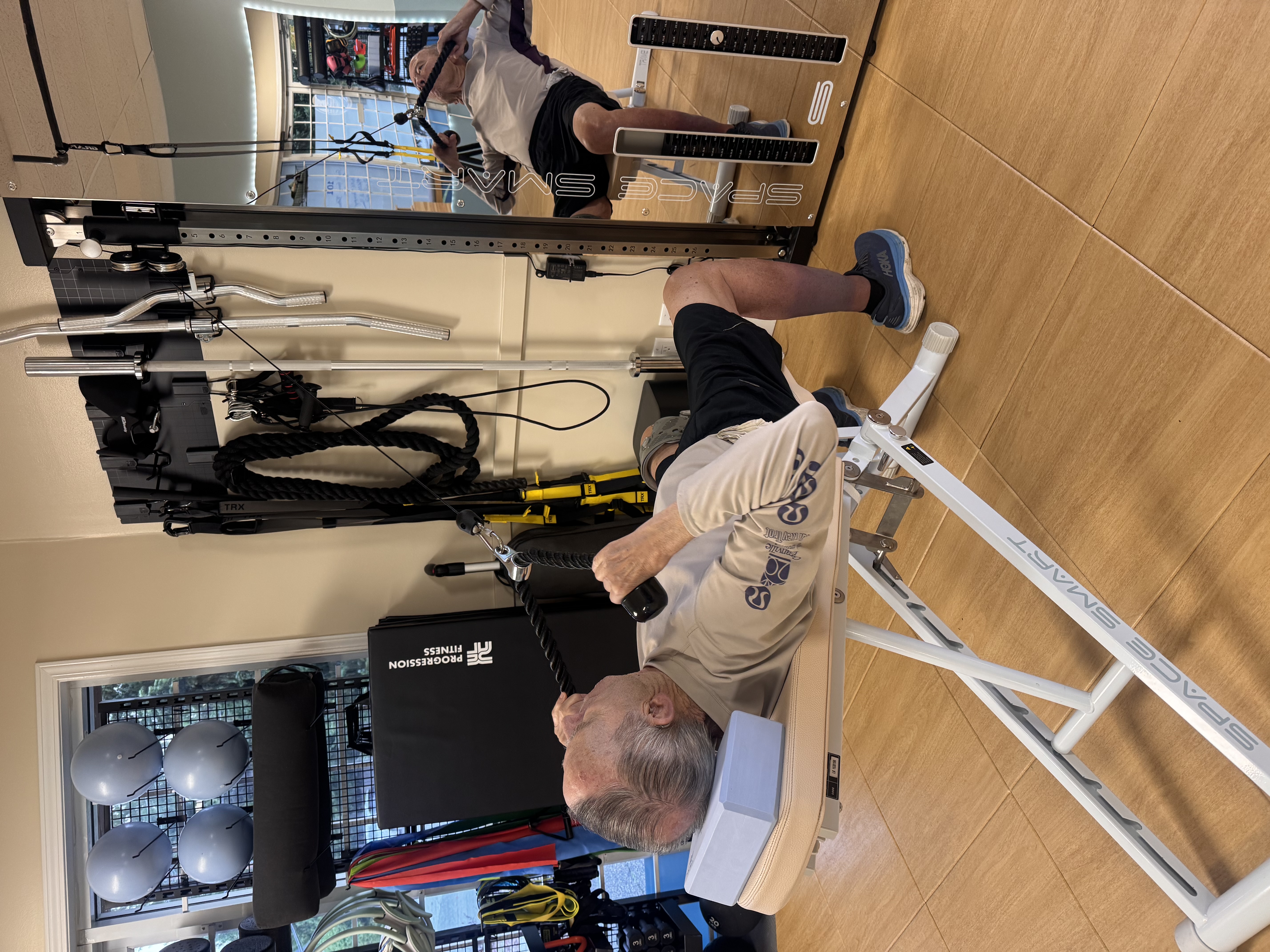
While the fitness world often pits aerobic activity against resistance training, clinical data suggests they are most effective when viewed as synergistic partners. If we view the cardiovascular system as a home's plumbing, aerobic exercise primarily trains the pump, the heart, and the ventilation, the lungs. Resistance training focuses on the efficiency of the pipes themselves. By improving the health and elasticity of the blood vessels, strength training ensures that the pump does not have to work against high pressure to distribute blood. This is why a comprehensive approach to heart healthy exercise for seniors must include both elements.
Recent research highlights that a half and half approach, splitting exercise time equally between cardio and strength, results in a more significant reduction in cardiovascular risk markers than either modality alone. This balance addresses the two distinct ways the body handles stress. While cardio enhances the volume of blood the heart can move, small-group functional training ensures the muscular system can efficiently utilize that blood.
This synergy provides immediate practical benefits for the local retiree community. When you participate in evidence-based programs that prioritize lower body strength, your functional floor rises. This means that a brisk walk around Semiahmoo Bay or navigating the inclines of White Rock requires a smaller percentage of your total physical capacity. Your heart rate remains lower and more stable because your muscles are strong enough to carry your weight with less effort. Through personalized one-on-one coaching, we ensure that your strength work directly supports these aerobic pursuits, making every step outdoors feel safer and more sustainable.
Is Strength Training Safe for Seniors with Heart Conditions?
A common concern for many retirees in White Rock is whether engaging in resistance training is safe after a cardiac event or a diagnosis of heart disease. The clinical answer is that strength training is not only safe but is increasingly recommended as a primary intervention for cardiac patients. When incorporated correctly, it strengthens the heart’s supporting cast, the skeletal muscles, which reduces the overall pressure the heart must generate during daily tasks.
Safety hinges on technique and professional oversight. One of the most important safety considerations for those with heart conditions is avoiding the Valsalva maneuver, the natural tendency to hold one’s breath during intense physical exertion. Holding the breath causes a sudden, significant spike in intra-thoracic pressure and blood pressure, which can place undue stress on the cardiovascular system. At Bluewave Fitness, we teach clients to focus on rhythmic breathing; this involves exhaling during the effort phase of an exercise and inhaling during the recovery phase. This consistent airflow keeps blood pressure stable and ensures oxygen is continuously delivered to the tissues.
We specialize in a post-rehabilitation style of personalized one-on-one coaching where we prioritize safety through constant monitoring. Our small-group functional training sessions are designed so that trainers can closely watch both form and effort levels, ensuring that heart healthy exercise for seniors remains within a therapeutic and safe range. By carefully managing the intensity and volume of resistance, we provide a controlled environment where those with heart conditions can build the strength necessary for a more independent life.
Meeting CDC Guidelines for Older Adults in White Rock
The Centers for Disease Control and Prevention (CDC) provides a clear framework for maintaining cardiovascular health as we age. For adults 65 and older, the baseline recommendation involves 150 minutes of moderate-intensity aerobic activity paired with at least two days of muscle-strengthening activity. While 150 minutes might sound daunting, it equates to just 30 minutes of brisk movement five days a week. When combined with evidence-based programs that focus on resistance, this two-pronged approach fulfills the requirements for comprehensive heart healthy exercise for seniors.
In White Rock, achieving this balance is straightforward when you utilize our natural landscape alongside structured training. A moderate aerobic pace should allow you to talk but not sing; a brisk walk from the museum on Marine Drive to the end of the White Rock pier and back often fits this description. Strengthening days should focus on all major muscle groups, which is most safely achieved through small-group functional training or personalized one-on-one coaching to ensure proper load and form.
Day | Activity | Focus |
|---|---|---|
Monday | 30-minute walk on the Promenade | Aerobic Endurance |
Tuesday | 45-minute Functional Training session | Strength & Resistance |
Wednesday | 30-minute walk near Semiahmoo Bay | Aerobic Endurance |
Thursday | 30-minute walk on the White Rock Pier | Aerobic Endurance |
Friday | 45-minute Functional Training session | Strength & Resistance |
Saturday | 30-minute brisk walk through local parks | Aerobic Endurance |
Sunday | Rest or Light Stretching | Recovery |
The 3-3-3 Rule and Practical Exercises for Heart Health
Meeting these CDC guidelines becomes significantly less intimidating when you follow a structured framework like the 3-3-3 rule. This approach simplifies heart healthy exercise for seniors by focusing on three days of training per week, selecting three foundational exercises, and performing three sets of each. This manageable volume ensures consistency while providing enough stimulus to trigger both cardiovascular and muscular adaptations. For those in White Rock beginning their journey, these sessions fit easily into a routine alongside social activities or coastal walks.
Three specific movements serve as the pillars for this heart-centric resistance protocol:
Squats or Sit-to-Stands: These movements engage the body's largest muscle groups, including the quadriceps, glutes, and hamstrings. Because these muscles are so large, they demand a significant volume of blood flow during exertion. This requirement forces the heart to pump more efficiently and helps improve overall systemic circulation.
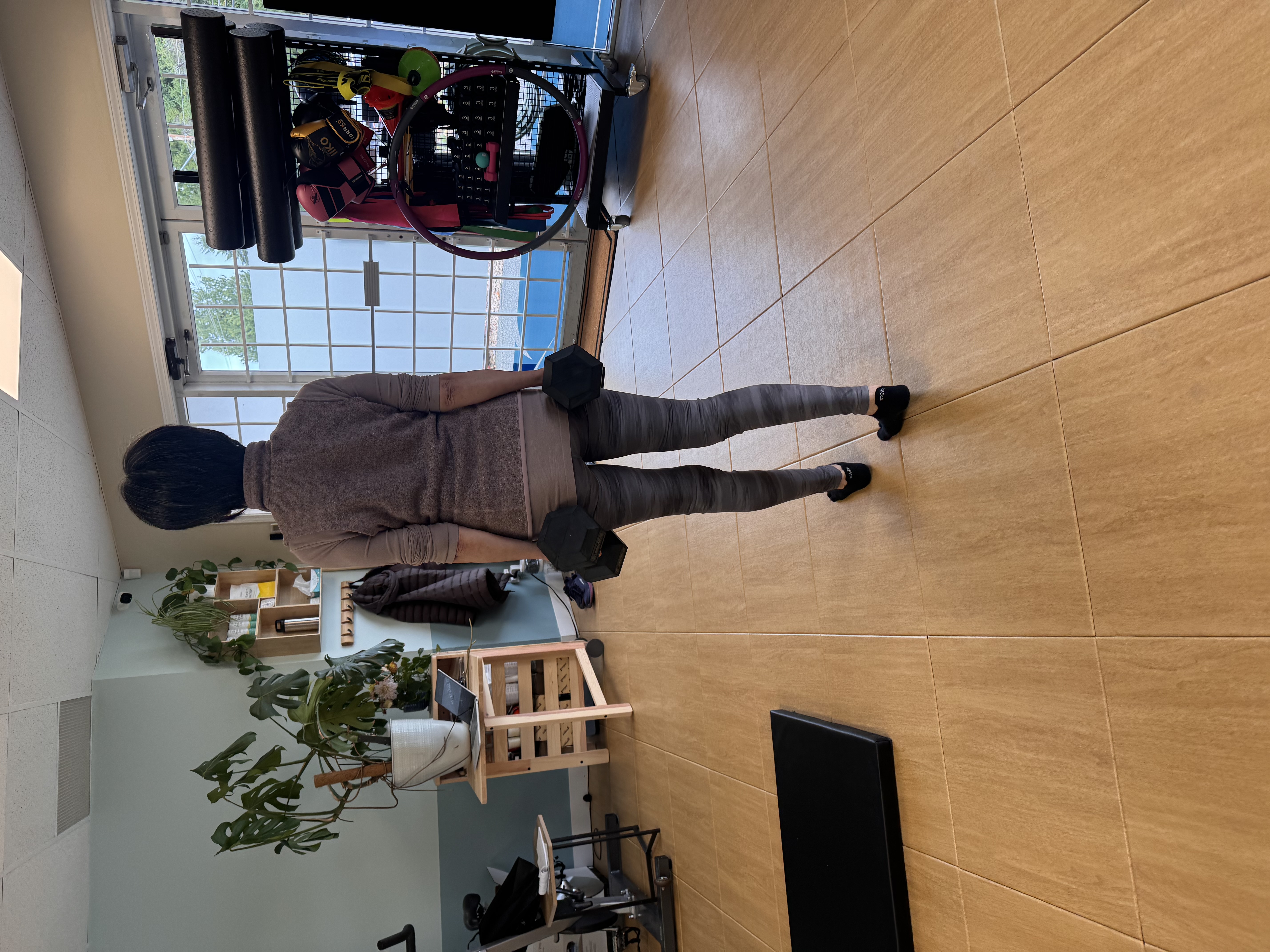
Farmer’s Carries: This exercise involves walking a short distance while holding a moderate weight in each hand with an upright posture. It provides a functional, sustained elevation of the heart rate without the high impact stress of running. It also builds the grip strength and core stability necessary for daily tasks like carrying groceries from the local market.
Resistance Band Rows: Strengthening the muscles of the upper back is vital for maintaining an upright posture. By pulling the shoulders back and opening the chest, rows facilitate better lung expansion. Improved respiratory mechanics allow for more efficient oxygen exchange, which directly supports cardiovascular endurance.
Implementing these exercises within our evidence-based programs ensures that each movement is performed with the correct intensity for your current fitness level. Through small-group functional training or personalized one-on-one coaching, we help you refine your form to maximize heart health benefits while minimizing the risk of injury. Starting with the 3-3-3 rule provides a clear, actionable path toward a stronger heart and a more active life in the White Rock community.