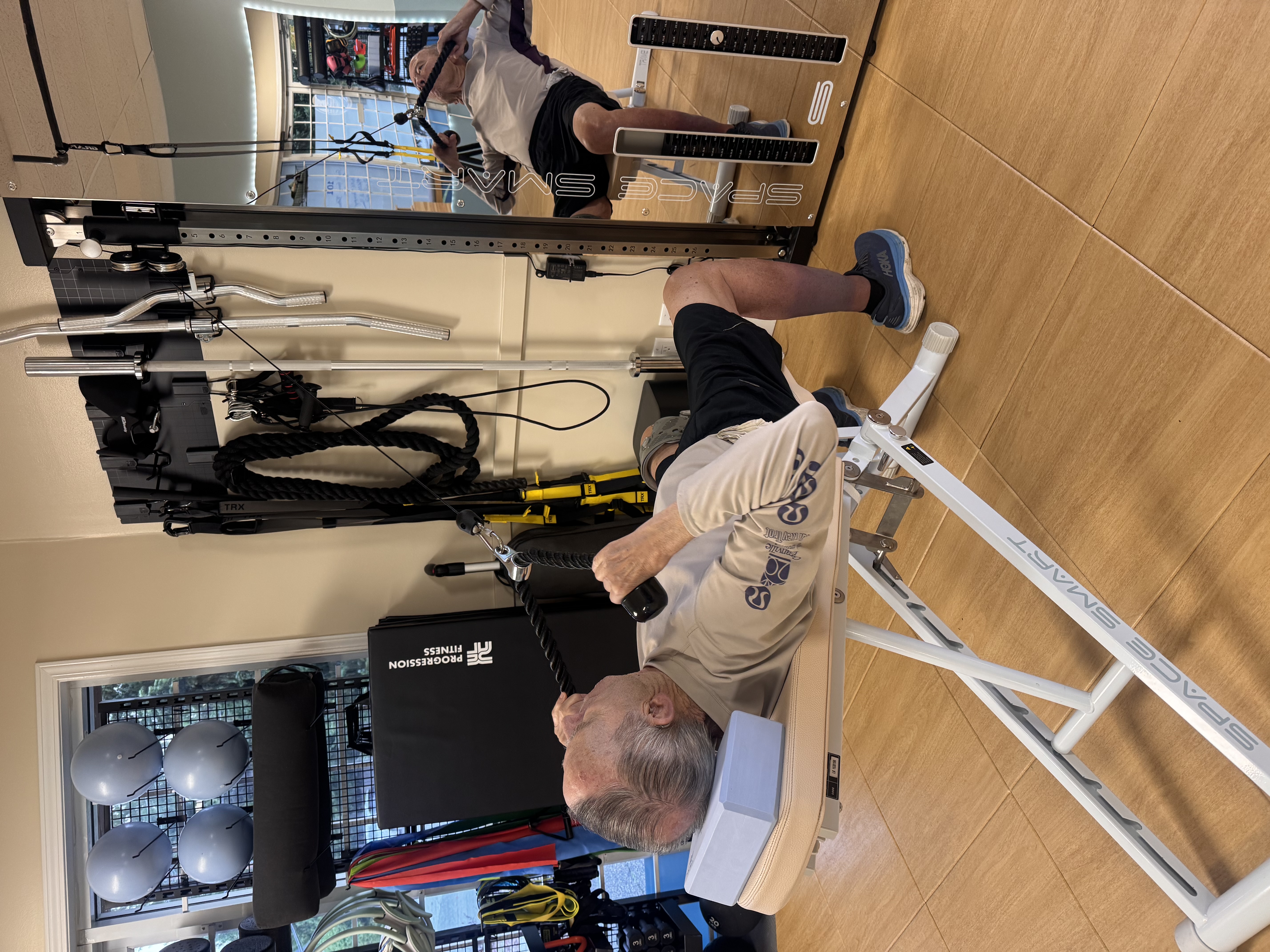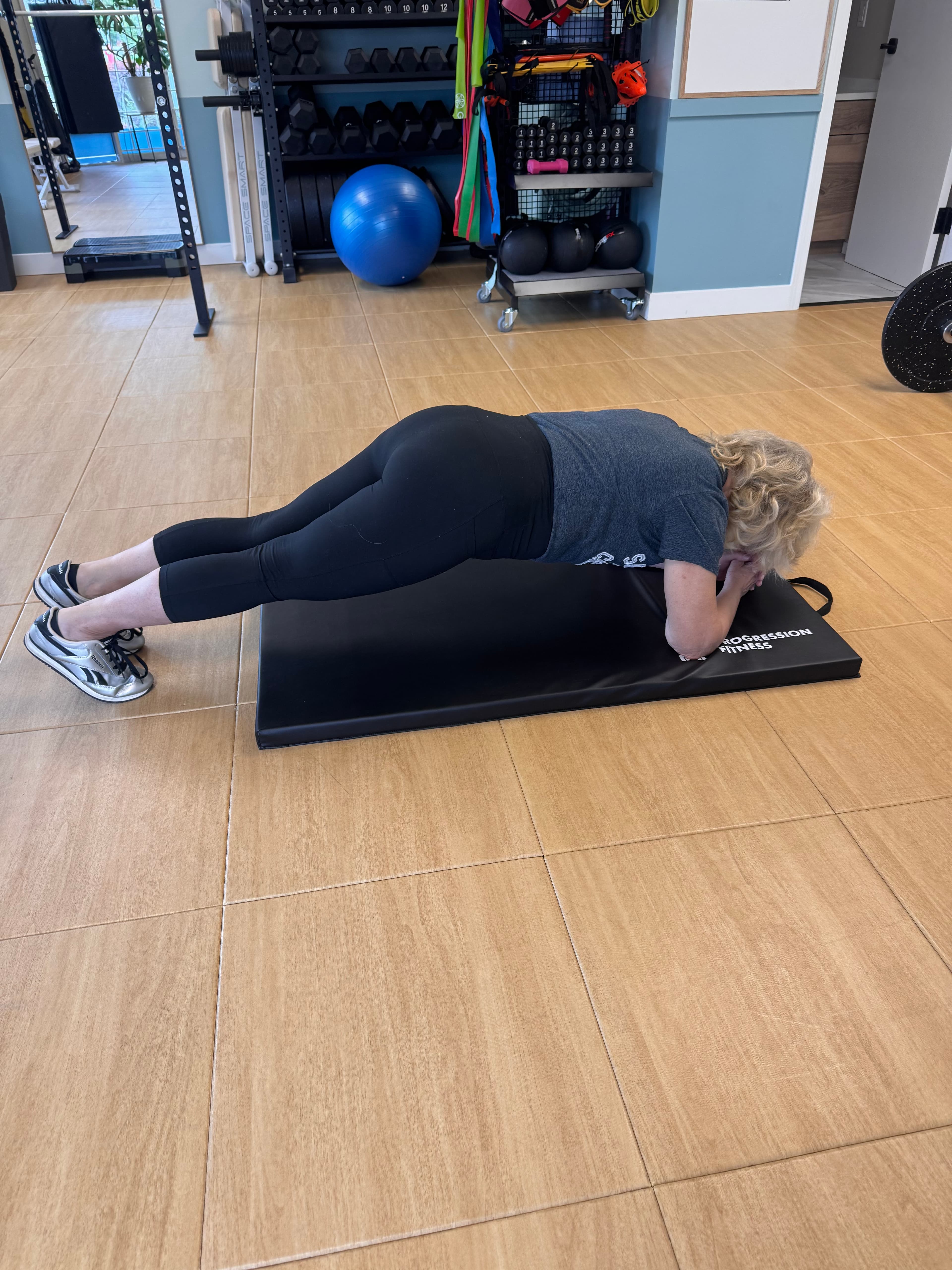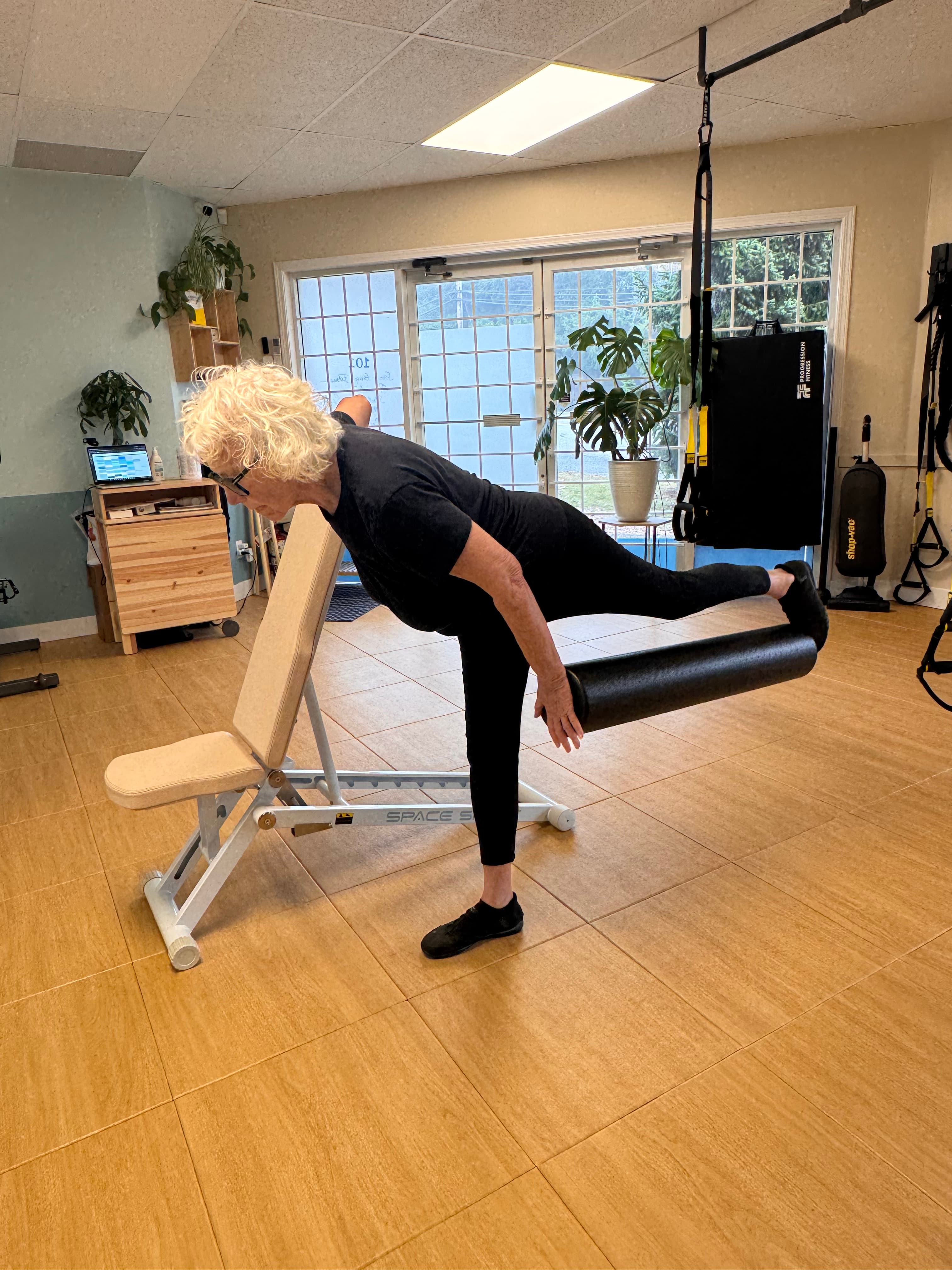
Strength training for seniors after surgery facilitates faster recovery by rebuilding muscle mass through targeted, low impact movements like bodyweight squats and shoulder presses. Seniors should focus on a gradual return to activity under professional guidance; this approach minimizes the risk of re injury while restoring functional independence.
Completing physical therapy after a major surgery often leaves seniors in a difficult limbo where clinical milestones are met, but the vitality of daily life remains out of reach. While PT provides the foundation for movement, it rarely addresses the significant muscle atrophy and loss of confidence that follow a procedure. Relying solely on basic mobility exercises can stall your progress; it leaves you vulnerable to future injury. This guide explores the essential transition from rehabilitation to proactive strength training. You will learn how to safely rebuild power after hip, knee, or abdominal surgery. We examine the scientific evidence supporting muscle growth in your seventies and eighties, and provide a clear roadmap for moving from home exercises to a professional, supervised program. True recovery does not end when your insurance coverage does; it begins when you commit to rebuilding a resilient body.
Why Physical Therapy is Only the First Step in Your Recovery
Clinical physical therapy is the essential foundation of post-surgical recovery. Its primary focus remains on acute healing, pain management, and restoring the basic range of motion required for medical clearance. For many adults in White Rock, graduating from a physical therapy program feels like the finish line. However, there is a significant difference between restoring the ability to flex a joint and having the explosive power to climb stairs or carry groceries.
Strength training for seniors after surgery acts as the critical bridge between clinical stability and true independence. While a therapist ensures your hip or knee is healing correctly, functional training builds the muscle density and neurological coordination needed to return to the activities you love. Without this secondary phase, many seniors plateau at a level of "functional enough" but remain physically vulnerable.
Stopping after the clinical phase often leaves a significant strength deficit. This deficit increases the risk of secondary falls or compensatory injuries in other parts of the body. To transition from basic movement to walking the White Rock pier or spending a morning gardening, you need more than mobility; you need resilient muscle. Participating in small-group functional training ensures you move beyond mere healing and toward a full return to your pre-surgery lifestyle.
Safety First: When to Start and How to Listen to Your Body
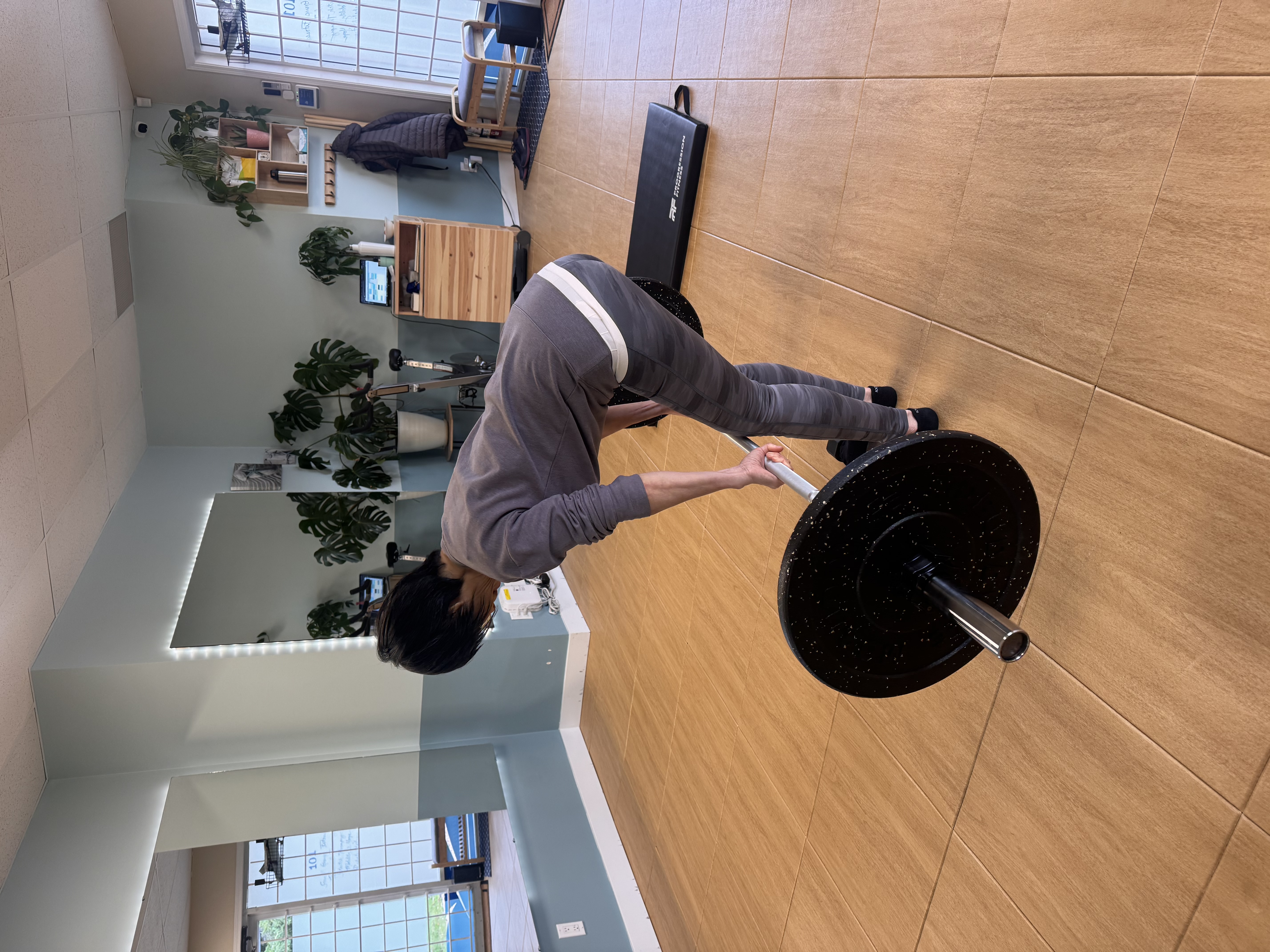
The transition from a clinical environment to a fitness studio often brings a mix of excitement and trepidation. Many clients worry that starting strength training for seniors after surgery might undo the intricate work of their surgeon. This fear is understandable, yet it is often the very thing that prevents a full recovery. Safety is not found in avoiding movement, but in applying the right load at the right time under expert guidance.
Before beginning any resistance program, you should meet these three readiness criteria:
Surgeon Clearance: Ensure your surgical team has moved you past the acute phase and officially approved weight bearing or resistance based activity.
Wound Integrity: Incisions must be fully closed and healed, showing no signs of inflammation, redness, or discharge.
Pain Stability: Your baseline pain should be manageable and predictable, rather than requiring heavy dosages of acute painkillers to get through a basic session.
Learning to differentiate between types of discomfort is a vital skill during post rehab. Good pain typically manifests as a dull, diffuse ache in the muscle belly, often appearing 24 to 48 hours after exercise. This is a sign of muscular adaptation. Conversely, bad pain is usually sharp, localized to the surgical site, or felt deep within a joint. If a movement causes stabbing sensations or results in increased swelling, the exercise must be scaled back or modified immediately.
In a boutique setting like ours, personalized one-on-one coaching provides the scrutiny necessary to navigate these nuances. Professional supervision ensures that every movement is scaled to your current tissue tolerance. This expert oversight allows you to push your boundaries safely, knowing that your form is being corrected in real time to protect your surgical repair while rebuilding your strength.
Rebuilding Leg Strength After Hip or Knee Replacement
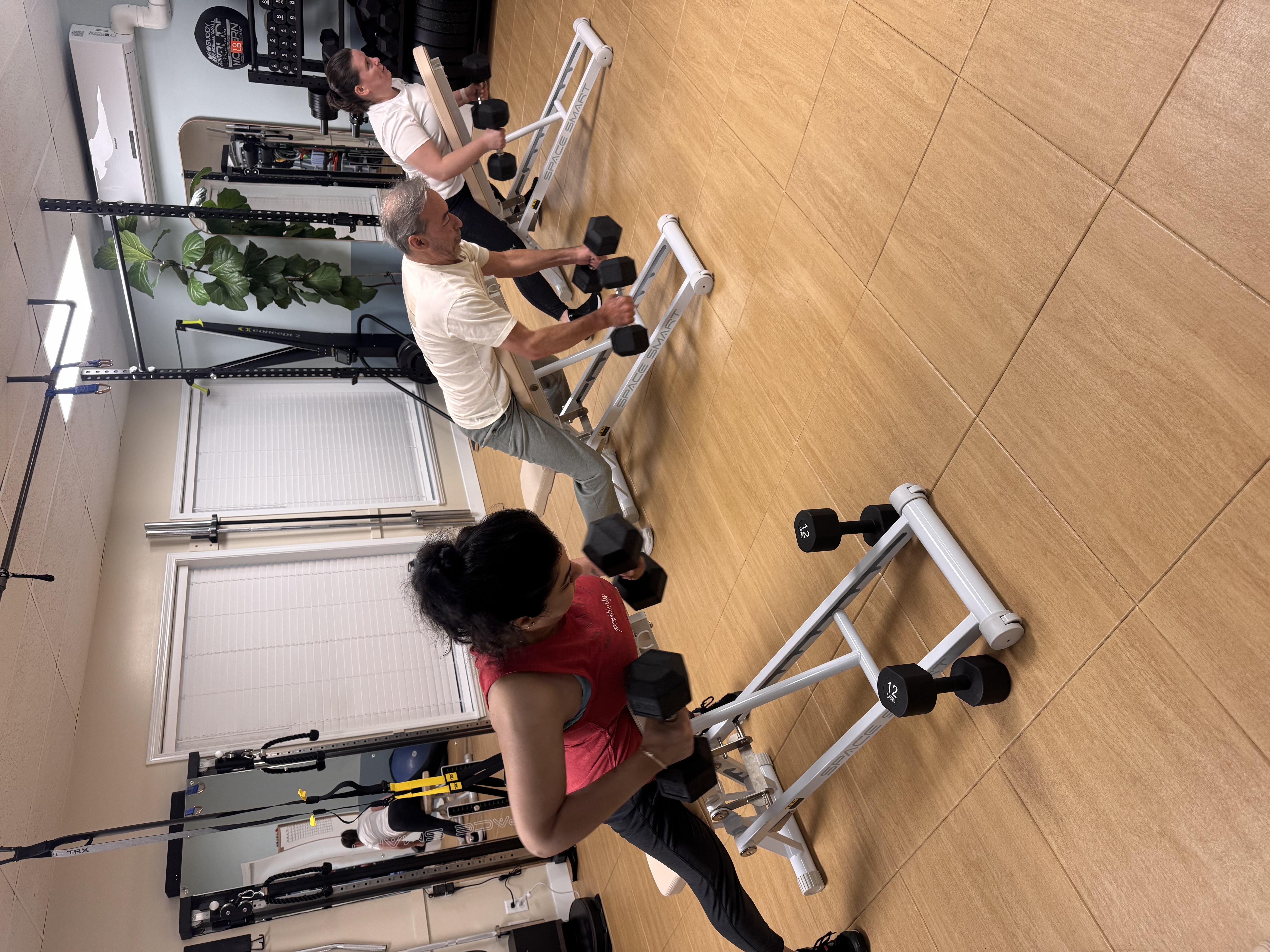
Hip and knee replacements are the most frequent surgical interventions for adults over 55. Once the surgical site has stabilized, the focus must shift from basic range of motion to structural support. Early clinical physical therapy often relies on non-weight-bearing exercises, such as seated leg extensions or lying leg lifts. While these are vital for initial mobility, they do not replicate the demands of gravity. Weight-bearing strength training for seniors after surgery is essential because it forces the muscles to stabilize the joint under the pressure of your own body weight, a process known as proprioceptive feedback.
Rebuilding the quadriceps is often the intuitive goal, but the posterior chain, comprising the glutes and hamstrings, is the true foundation of gait and balance. Strengthening these muscles ensures that the new joint is supported from the back, preventing the forward pelvic tilt that often causes lower back pain in post-op patients. We prioritize functional, closed-chain movements to bridge this gap:
Sit-to-Stands: A controlled version of a squat that builds the necessary power to rise from a chair or car seat independently.
Assisted Lunges: Using a stable bar or trainer for support, lunges improve the unilateral strength required for navigating stairs or uneven terrain.
These movements transition the body from healing to thriving. By utilizing small-group functional training, you receive the benefit of observing proper mechanics while our coaches ensure your alignment protects your new hip or knee. If you have questions about your specific surgical timeline, you can contact Bluewave Fitness for a consultation.
Rebuilding Core Stability and Strength After Abdominal Surgery
Rebuilding core stability is the next logical step, as the torso serves as the structural anchor for the limbs. For those recovering from abdominal procedures, the core is not about aesthetics; it is the foundation for postural control and safe gait. Effective strength training for seniors after surgery must prioritize the transverse abdominis, the deepest layer of muscle that acts as a natural corset for the spine and internal organs.
Traditional movements like crunches or sit ups are often counterproductive during this phase, as they can place undue stress on surgical incisions and internal sutures. Instead, we focus on diaphragmatic breathing to re-establish the mind muscle connection. By breathing deeply into the ribcage and pelvic floor, you create subtle, internal tension that supports the trunk without straining the surface tissue.
From there, we progress to isometric holds, such as a modified bird dog or a standing press where the goal is to resist movement rather than create it. This approach ensures you build the functional tension necessary for daily life while keeping the surgical site protected. Through personalized one-on-one coaching, we help you identify that precise moment when your core is engaged correctly, ensuring you never over exert the healing abdominal wall. This foundational stability is what eventually allows for more complex movements and improved balance.
Can You Regain Muscle Mass After 70? What the Science Says
A common misconception among White Rock retirees is that muscle loss is an irreversible part of aging, especially following a medical procedure. The clinical reality is far more encouraging. Research consistently demonstrates that the human body maintains its ability to achieve muscle hypertrophy, or growth, and neurological strength gains well into the 80s and 90s. In fact, landmark studies have shown that even sedentary seniors can significantly increase their lean tissue mass and power through a structured resistance program.
The engine of this change is progressive overload. By gradually and systematically increasing the resistance or volume of a movement, you force the body to adapt to new demands. For those engaging in strength training for seniors after surgery, this adaptation involves both the physical building of muscle fibers and the improvement of the nervous system's ability to recruit those fibers effectively. While the physiological capacity to get stronger remains, the recovery cadence must be adjusted. Older adults typically require more time between high intensity sessions to allow for proper tissue repair and protein synthesis. Utilizing personalized one-on-one coaching allows for a bespoke schedule that respects these biological recovery timelines. It is never too late to reclaim physical agency; your muscles are capable of responding to the right stimulus at any age.
The Psychological Side of Recovery: Rebuilding Confidence
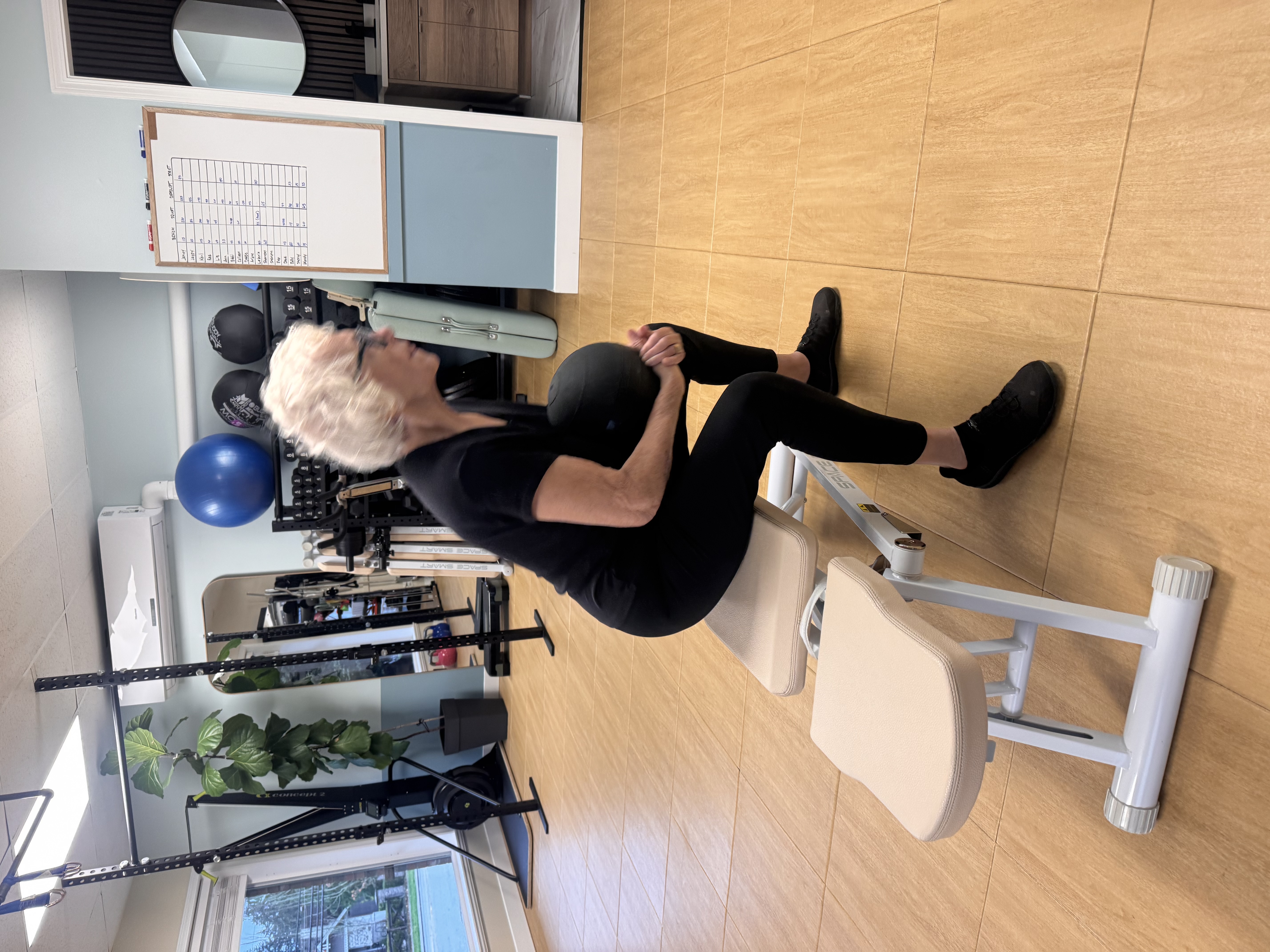
While the physiological gains of recovery are measurable through increased power and muscle mass, the most significant barrier to a full return to activity is often psychological. Kinesiophobia, or the debilitating fear that movement will lead to re-injury or pain, is a common experience for seniors following a major procedure. This fear often manifests as a subconscious hesitation to put full weight on a repaired hip or a reluctance to engage the core when reaching for a heavy object. Overcoming this mental block requires more than just physical capability; it requires an environment that fosters psychological safety.
Large, commercial gyms can be intimidating for those in post-rehabilitation. The loud atmosphere, crowded equipment areas, and lack of specialized oversight often heighten anxiety rather than reducing it. In contrast, an intimate, boutique environment in White Rock provides a sanctuary where the focus is entirely on senior wellness. By participating in small-group functional training, you are surrounded by peers facing similar challenges, which normalizes the recovery process and reduces the feeling of isolation.
Confidence is the final piece of the recovery puzzle. It is the mental bridge that allows you to apply your strength training for seniors after surgery to the real world. When you successfully perform a controlled movement under the expert gaze of personalized one-on-one coaching, your brain recalibrates its perception of risk. This newfound confidence is what eventually allows you to navigate a busy grocery store or walk along the uneven terrain of the beach without the constant shadow of fear.
How to Transition from Home Exercises to a Supervised Program
Transitioning from a stack of paper exercises to a supervised program is the final step in securing a full recovery. Many patients are discharged from clinical care with a photocopied handout of basic stretches and bodyweight movements. While these exercises are vital in the weeks immediately following a procedure, they frequently fail to provide the necessary stimulus for long term improvement. Home routines lack the element of progressive overload; without a method to safely increase resistance or complexity, the body stops building the muscle density required for activities of daily living. Boredom often sets in when a routine never changes, leading to decreased consistency and a stall in physical gains.
Moving into a specialized studio environment changes this trajectory through two primary factors: equipment and expertise. A professional setting provides access to adjustable resistance tools and stability equipment that are not practical for a home living room. These tools allow for the micro adjustments needed during strength training for seniors after surgery. Furthermore, the presence of a professional ensures immediate feedback. A coach can spot the subtle compensations your body might make to avoid using a healing muscle, correcting your alignment before it leads to a secondary strain.
When choosing a post rehab professional in White Rock, focus on these specific criteria:
Specialized Certifications: Look for trainers who hold recognized credentials in senior fitness or medical exercise coaching rather than general personal training.
Surgical Experience: Inquire about their history working with your specific procedure, whether it is a joint replacement or a spinal intervention.
Supervised Ratios: Prioritize environments with a low client to coach ratio to ensure you receive the constant scrutiny required for safety.
Through small-group functional training and personalized one-on-one coaching, we bridge the gap between simple mobility and true physical resilience. If you are ready to move beyond your home exercise sheet, you can contact Bluewave Fitness to begin a structured, evidence based program.