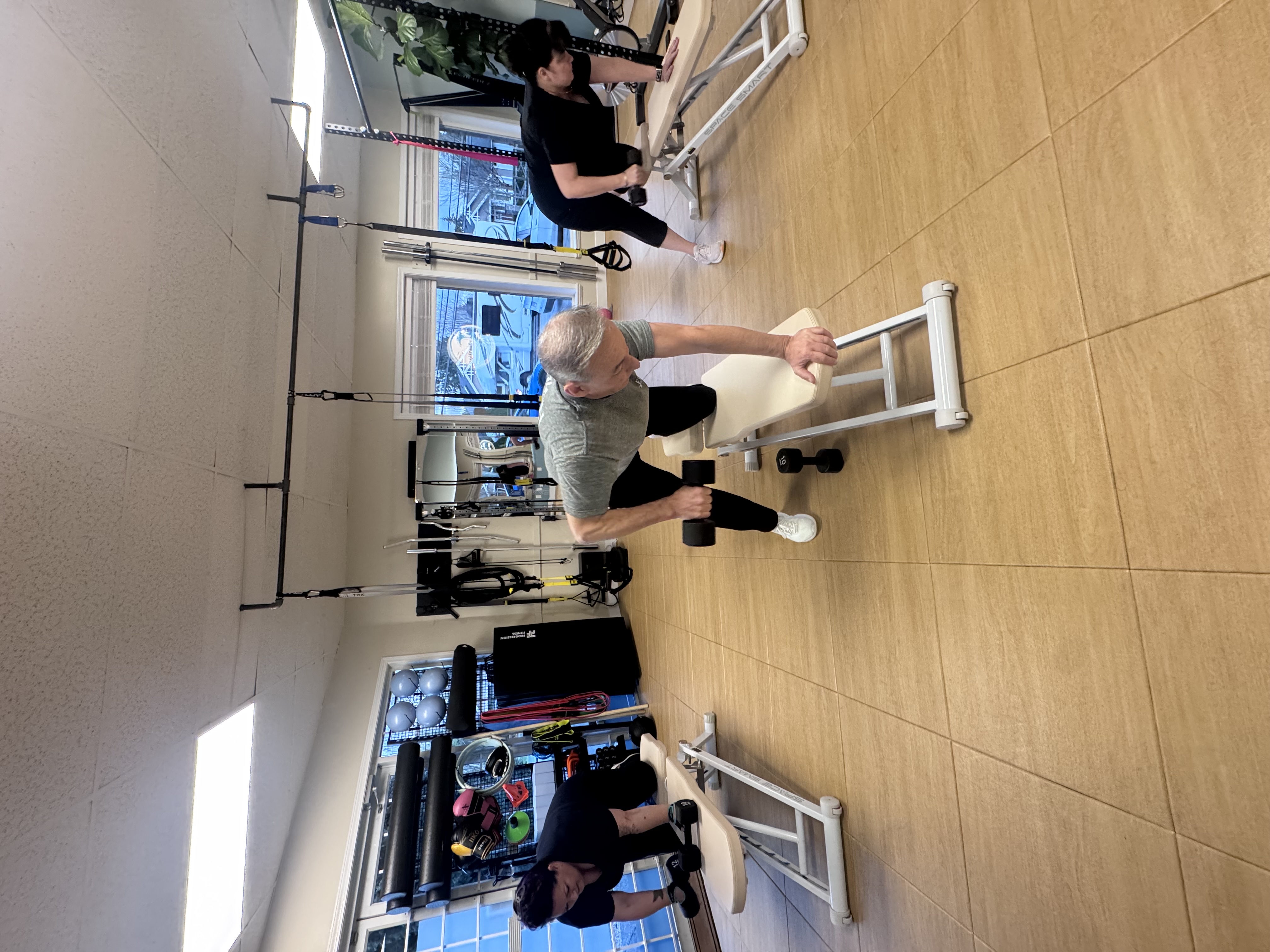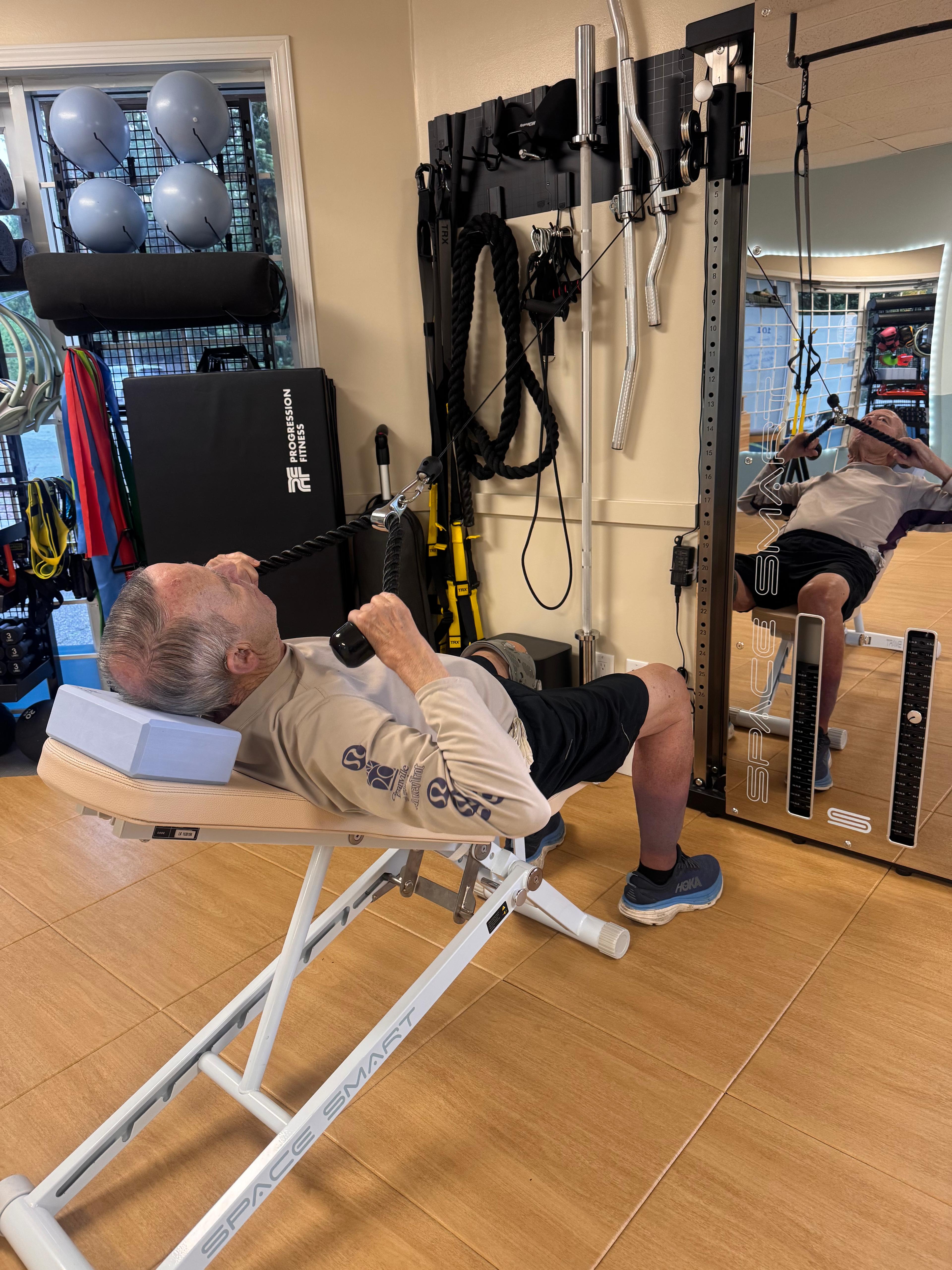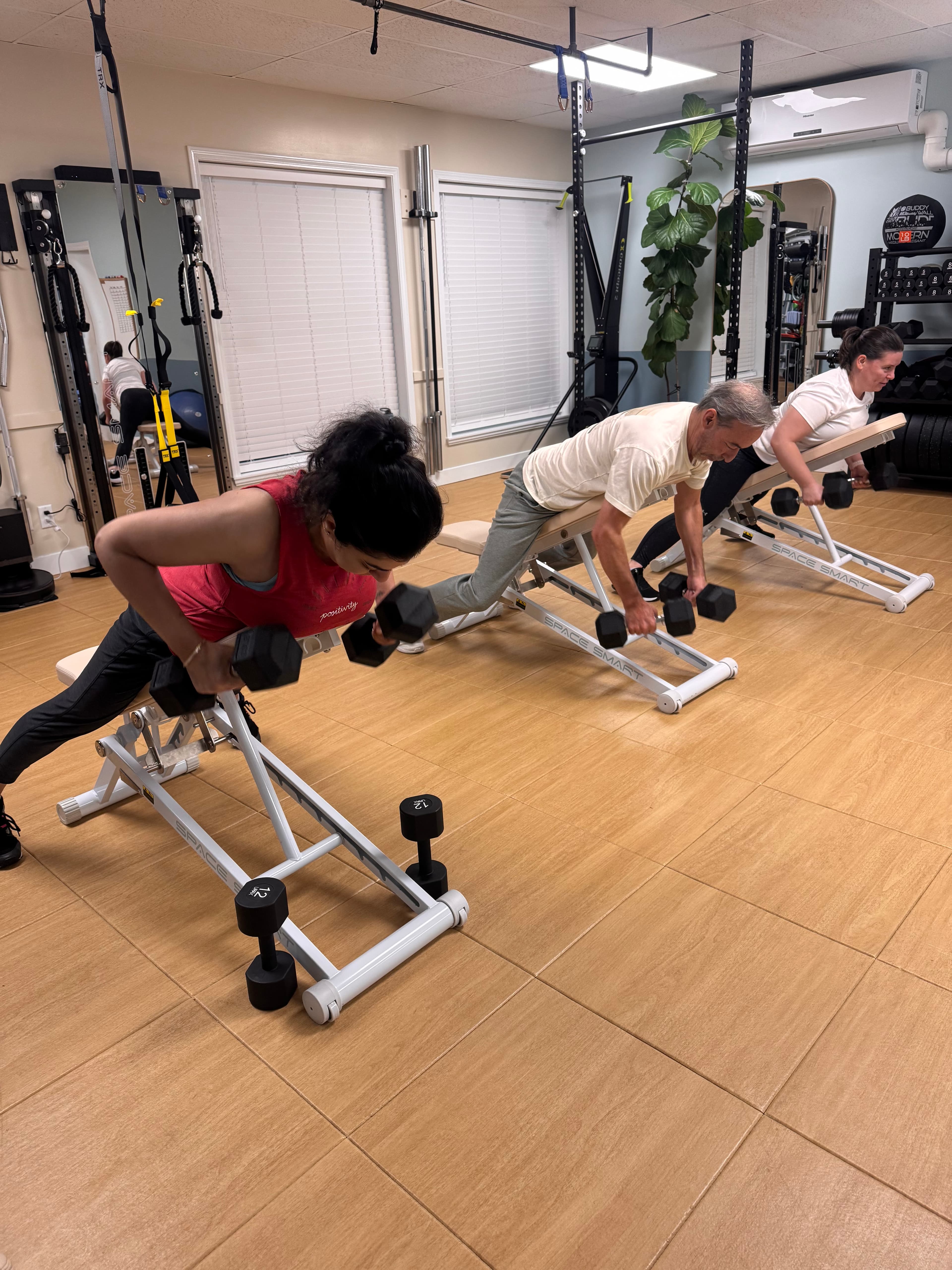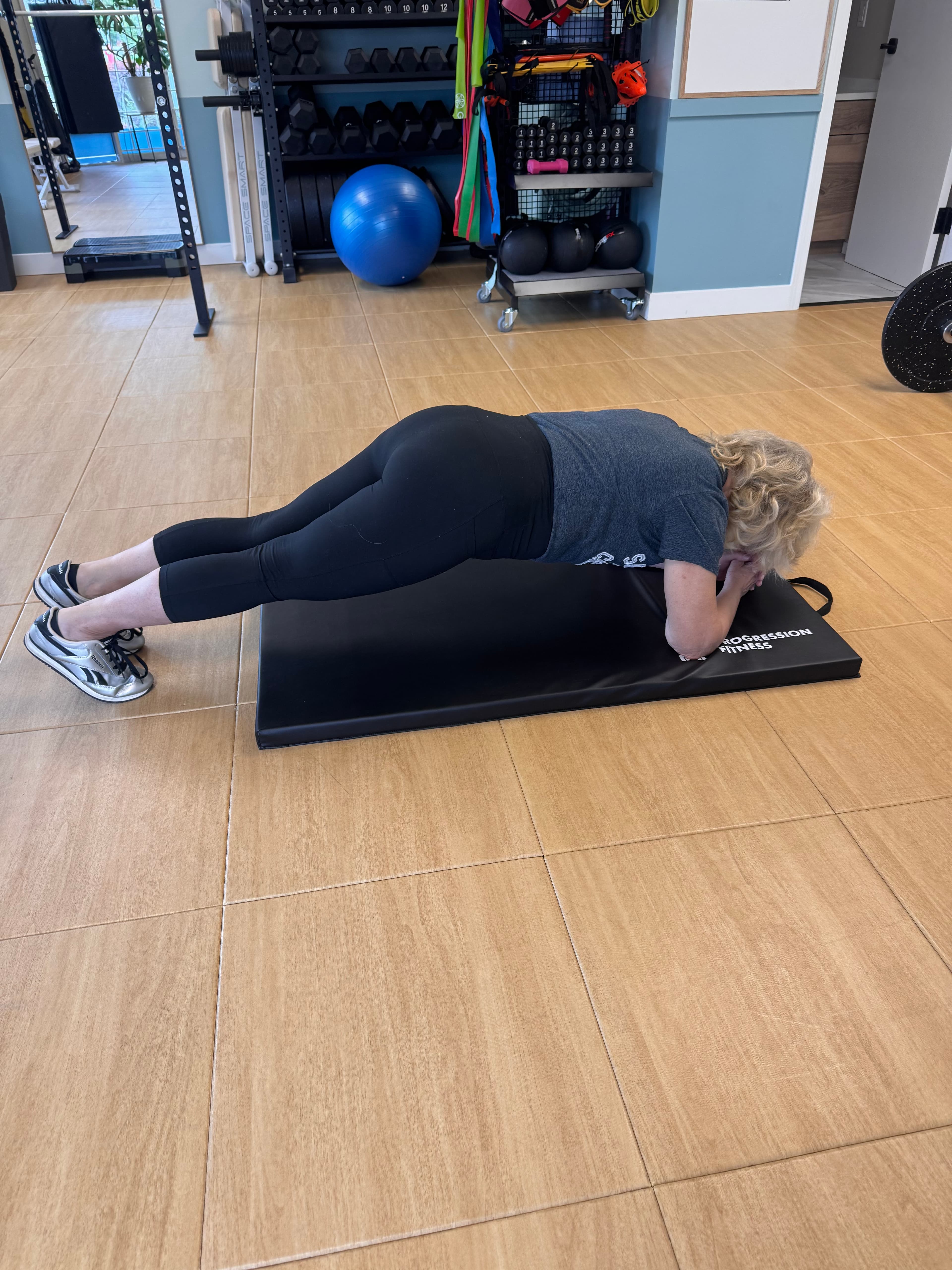
Strength training for seniors with arthritis effectively reduces joint pain and stiffness by building supportive muscles through regular resistance exercises. Seniors can safely improve their mobility using tools like resistance bands, light weights, or bodyweight movements performed twice weekly to maintain joint health.
Many seniors in our community believe that joint pain is a signal to stop moving, fearing that lifting weights will only worsen the ache of osteoarthritis. This hesitation is understandable, yet inactivity often leads to a cycle of muscle loss and increased joint instability. At Bluewave Fitness, we understand that movement is the ultimate medicine for arthritic conditions when it is approached with precision. Strength training, far from being dangerous, provides the vital structural support your joints need to function without discomfort. In this guide, you will discover why resistance training is a safe path to pain free movement, which specific exercises are best for knees and hips, and how to navigate equipment choices to avoid flare ups. By focusing on localized, expert guided routines, you can reclaim your mobility and maintain your independence right here in our community.
Can Seniors with Arthritis Safely Lift Weights?
It is common to worry that adding resistance will accelerate the wear and tear associated with osteoarthritis. However, clinical evidence suggests the opposite. Research from organizations like Arthritis Research Canada highlights that structured movement is essential for joint health. You may have heard the phrase "motion is lotion." This refers to how movement stimulates the production of synovial fluid, which lubricates the joint. More importantly, strength training for seniors with arthritis builds the musculature surrounding a joint, effectively creating a biological shock absorber. When the muscles are strong, they take on the burden of impact and weight, significantly reducing the direct load placed on sensitive cartilage.
For the retiree community, this physical resilience is the difference between enjoying an afternoon walk on the Promenade or staying home because of persistent discomfort. At Bluewave Fitness, we focus on helping members distinguish between good and bad pain. Good pain is the mild, dull ache of a muscle working hard or slight fatigue the next day. Bad pain is a sharp, stabbing, or hot sensation within the joint itself that persists for hours after a session.
Navigating these nuances is safer and more effective with professional guidance. Utilizing one-on-one coaching for seniors or small-group functional training ensures that movements are performed with correct mechanics to protect the joints. By following evidence-based senior programs, individuals can safely increase their capacity for movement, turning what was once a source of fear into a foundation for lasting independence.
The Core Benefits of Resistance Training for Osteoarthritis
Moving beyond simply managing pain, resistance training targets the physiological mechanisms that degrade with osteoarthritis. Medical institutions like the Mayo Clinic emphasize that strength training for seniors with arthritis is not merely about building muscle for aesthetics, but rather about restoring structural integrity to the body. This process involves three primary biological shifts.
First, controlled resistance promotes the circulation of synovial fluid. During a weighted movement, the alternating compression and release within the joint capsule act like a pump, forcing this nutrient rich fluid to bathe the cartilage. This process reduces internal friction, effectively "greasing" the joint for smoother movement throughout the day.
Second, muscle hypertrophy provides a crucial stabilization system. When muscles are stronger, they act as active stabilizers that hold bones in more optimal alignment. This is particularly vital when navigating the steep hills of White Rock; robust quadriceps and glutes ensure the knee joint does not bear the full force of gravity during a descent down to Marine Drive. Finally, consistent loading increases bone mineral density, providing a sturdier foundation for the connective tissues that support the joints.
Practically, these adaptations translate to greater ease during high effort daily tasks. By participating in small-group functional training, members build the specific power needed to exit a low car seat or rise from a chair without relying on their arms for leverage. These evidence-based senior programs ensure that every repetition serves to reinforce the joint rather than stress it.
Best Strength Training Exercises for Arthritic Knees and Hips
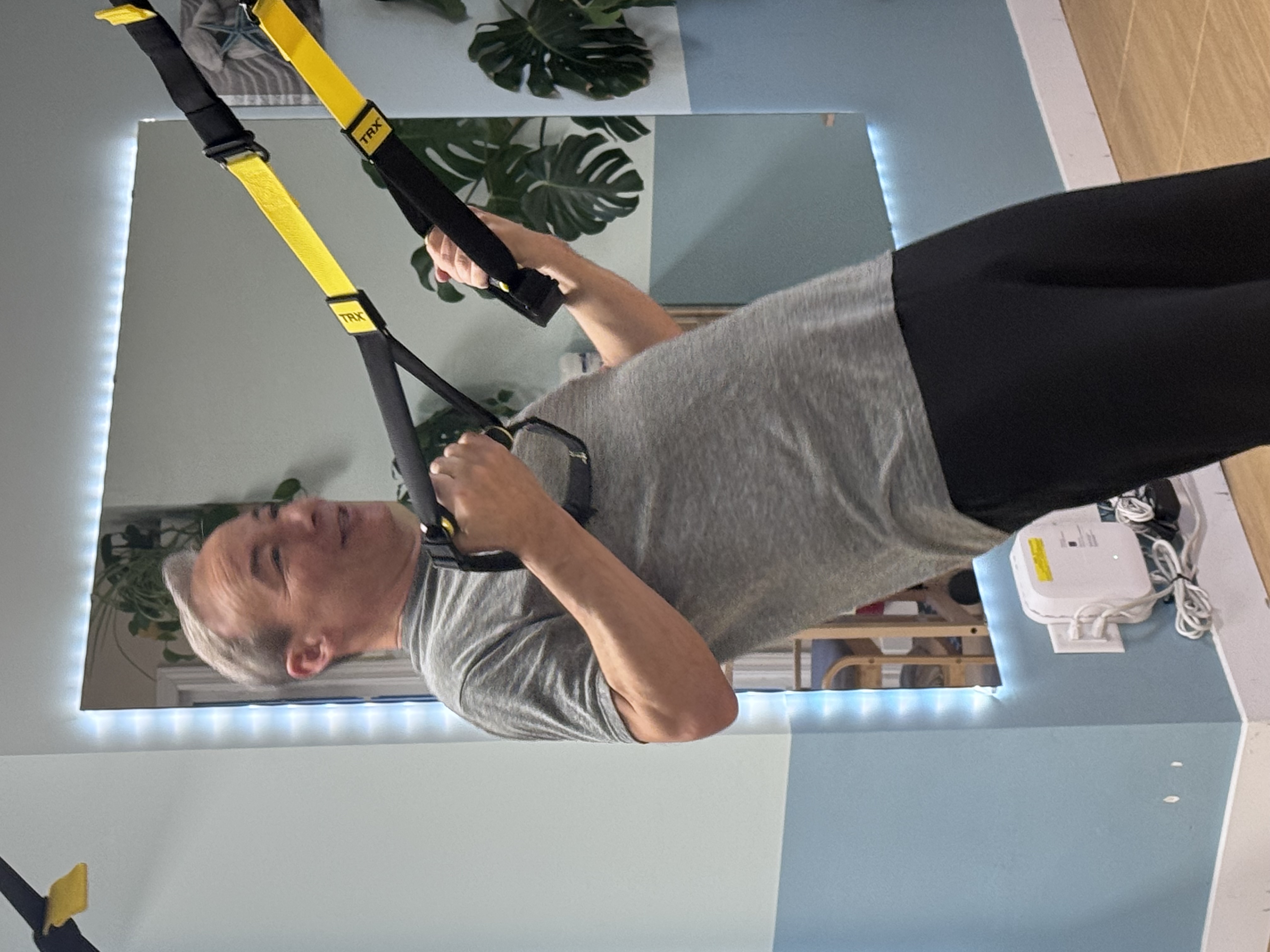
Building functional power requires selecting movements that maximize muscle recruitment while minimizing joint shear. When implementing strength training for seniors with arthritis, the goal is to favor closed-kinetic chain exercises. These movements, where the foot is planted on a stable surface, provide better joint feedback and stability than high-impact activities like jogging, which can subject the knees to forces multiple times your body weight.
One of the most effective movements is the modified Chair Stand. Unlike a standard squat, using a chair provides a definitive end point and safety net. To perform this correctly, sit near the edge of a sturdy chair with feet hip-width apart. Focus on hinging at the hips and leaning the torso slightly forward while keeping the spine neutral. As you stand, drive through your heels and ensure your knees track in line with your toes rather than caving inward. This controlled movement mimics rising from a patio seat at a local cafe and strengthens the quadriceps without excessive patellar pressure.
Step-ups are equally vital, particularly for navigating the varied elevations of the White Rock pier or the stairs leading down to the beach. When performing a step-up, place your entire foot on the platform. The secret to joint safety is in the descent; lower yourself slowly and under control rather than dropping quickly. This eccentric loading builds the decelerating strength needed to walk down hills safely.
For those with significant hip discomfort, the Glute Bridge is a premier choice. By lying on your back and lifting your hips toward the ceiling, you engage the gluteal muscles and hamstrings without placing any axial load on the spine or knees. At Bluewave Fitness, we integrate these movements into our evidence-based senior programs and small-group functional training to ensure every member uses proper form. These targeted exercises transform daily chores into opportunities for strengthening, providing the physical foundation necessary to maintain an active, independent lifestyle in our community.
Managing Hand and Wrist Arthritis through Targeted Training
Maintaining dexterity and grip strength is often the most significant hurdle for those beginning a program. If you are concerned about lifting weights with arthritis in hands, the solution lies in specialized equipment rather than avoidance. Standard thin-handled dumbbells often require a crushing grip that can trigger inflammation in the knuckles and thumb. We recommend using thick-handled dumbbells or foam grips that increase the surface area of the handle. This modification reduces the mechanical stress on small finger joints while still allowing for effective strength training for seniors with arthritis.
Resistance bands are another excellent tool; they can be looped around the palms or wrists to provide tension without requiring a tight squeeze. Building forearm and hand strength through these methods is essential for maintaining independence. These movements directly impact your ability to perform daily tasks like opening stubborn jars or spending a morning gardening in a hillside White Rock yard. Through small-group functional training and evidence-based senior programs, we utilize these targeted adaptations to ensure your workout supports, rather than hinders, your daily life.
Exercise Machines vs Free Weights: What Is Best for Seniors?
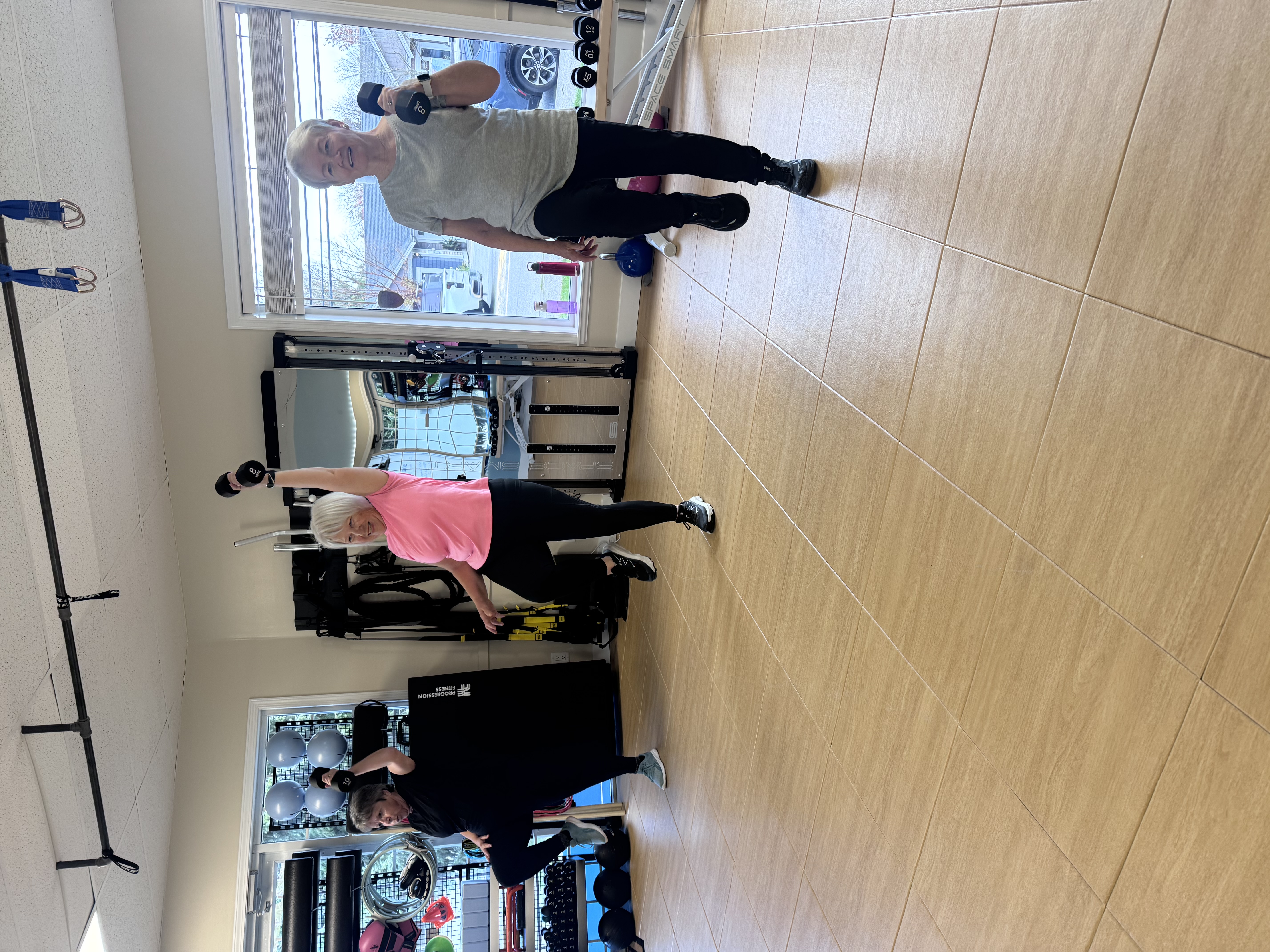
Once grip adaptations are in place, the choice often shifts toward equipment selection. A common question for those starting strength training for seniors with arthritis is whether machines or free weights are superior. Fixed path machines are excellent for beginners or during flare ups because they provide a stable environment. They isolate specific muscles and remove the need for complex balance; this reduces the risk of accidental joint strain.
Free weights, such as dumbbells or kettlebells, offer different advantages. They engage the core and smaller stabilizing muscles, which is essential for improving balance and preventing falls on the uneven sidewalks around White Rock. However, they require more technical proficiency to ensure the joint remains in a safe alignment.
At Bluewave Fitness, we utilize a hybrid approach within our evidence-based senior programs. We often prioritize cable machines, which offer the safety of a guided path with the versatility of free movement, allowing for a personalized range of motion. As your confidence grows, we integrate free weights to challenge your functional stability. This intentional selection of equipment, combined with one-on-one coaching for seniors, allows us to maximize muscle recruitment while minimizing mechanical stress. This balanced methodology ensures that your small-group functional training sessions are both safe and highly effective for long term joint health.
Osteoarthritis Exercises to Avoid and How to Prevent Flare Ups
Identifying which movements to modify is essential for long-term consistency. While few exercises are strictly forbidden, certain high-impact or extreme-range movements often trigger inflammation. High-impact plyometrics, such as jumping or running, create peak forces that an arthritic joint may not be able to absorb effectively. Similarly, deep-range squats or lunges that push the knee far past the toes can increase mechanical stress on the patellofemoral joint.
Instead of removing these patterns, we prioritize joint-friendly modifications. For example, replacing a full-depth squat with a box squat allows you to train the essential sit-to-stand pattern while limiting the range of motion to a safe, pain-free zone. This approach ensures you maintain the strength needed for White Rock’s steeper terrain without overstressing the joint capsule. By focusing on controlled, eccentric movements, you can gain the benefits of strength training for seniors with arthritis without the risks associated with explosive loading.
Preventing flare-ups requires recognizing common triggers, which often include: - Overtraining: Increasing weight or volume too quickly before the connective tissues have adapted. - Improper Alignment: Allowing the knees or ankles to collapse inward during loaded movements. - Inadequate Recovery: Failing to allow 48 hours between intense resistance sessions for the joints to settle.
A key benefit of one-on-one coaching for seniors is the ability to adjust the dosage of exercise in real-time. If you arrive with minor stiffness, a coach can pivot the session to focus on mobility and lower-intensity resistance. Following evidence-based senior programs ensures you utilize a structured progression, similar to the I START toolkit recommendations from Arthritis Research Canada. This proactive management keeps you moving forward while minimizing the risk of a setback that could keep you away from your daily walk.
A Localized Approach to Strength Training
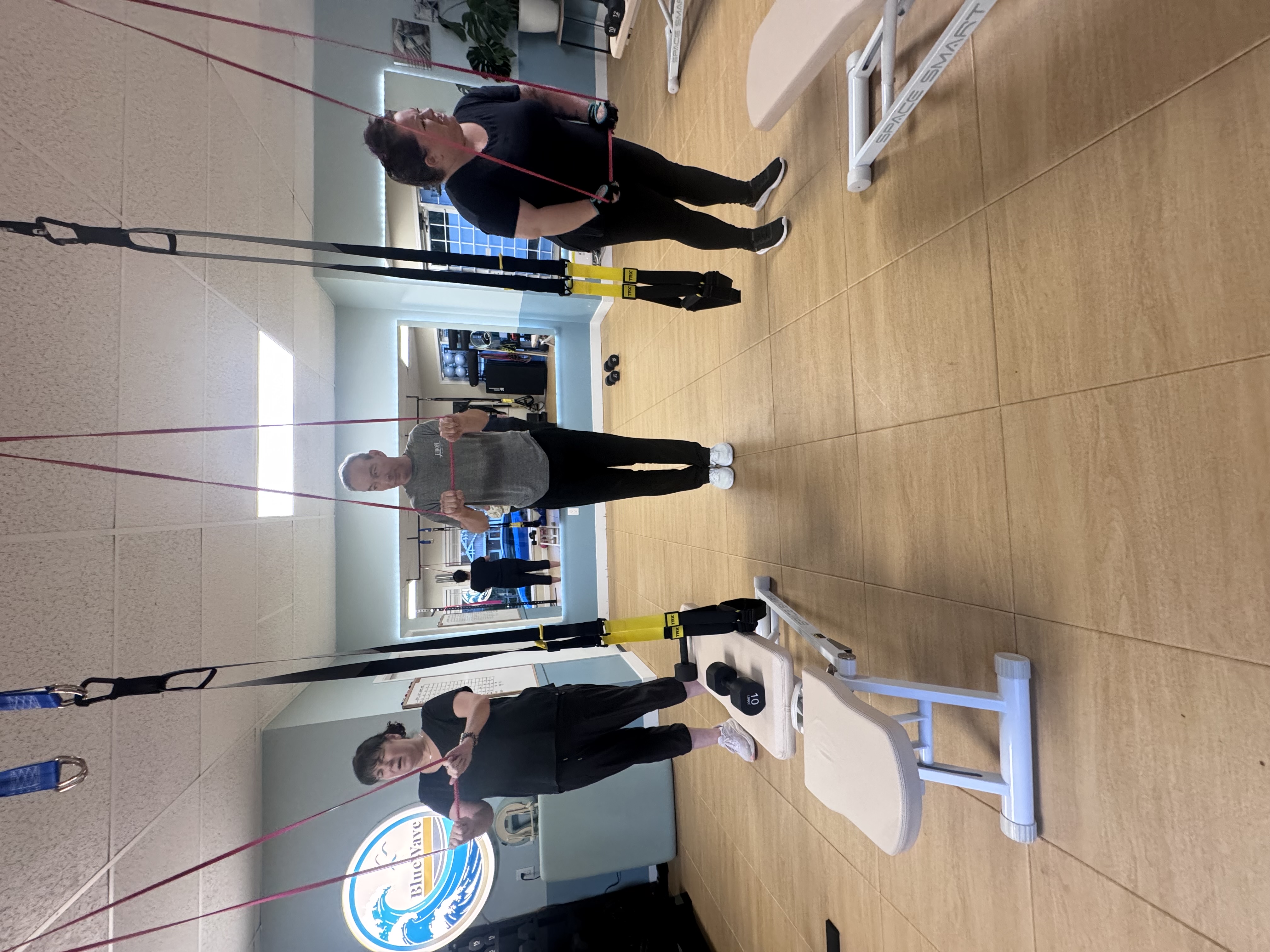
Effectively managing chronic joint issues requires more than a generic workout plan found at a standard health club. In White Rock, a boutique environment offers a level of safety and personalization that high volume gyms cannot replicate. Our small-group functional training sessions are capped to ensure that the coach understands your specific medical history, such as a recent hip replacement or a recurring flare-up in your hands. This intimacy is particularly valuable for individuals in the post-rehabilitation phase. Many of our members join after completing formal physical therapy, seeking a bridge between clinical treatment and full independence.
Through one-on-one coaching for seniors, we help you navigate this transition without the fear of re-injury. Training at Bluewave Fitness also offers a unique social benefit; you are working alongside peers who share the same challenges of aging joints. This community aspect transforms evidence-based senior programs into a supportive environment where setbacks are understood and successes are celebrated. This localized, expert-led approach ensures that strength training for seniors with arthritis is a sustainable part of your lifestyle in the South Surrey and White Rock area.
Arthritis doesn't have to mean the end of an active lifestyle. By focusing on safe, low impact strength training, you can protect your joints and improve your overall mobility. Consistency and proper technique are the foundations of long term success. If you find the idea of starting a new routine a bit daunting, working with a specialist can provide the confidence you need. You can explore our Programs to find a plan that fits your specific needs and goals; our team is here to support your journey toward pain free movement.